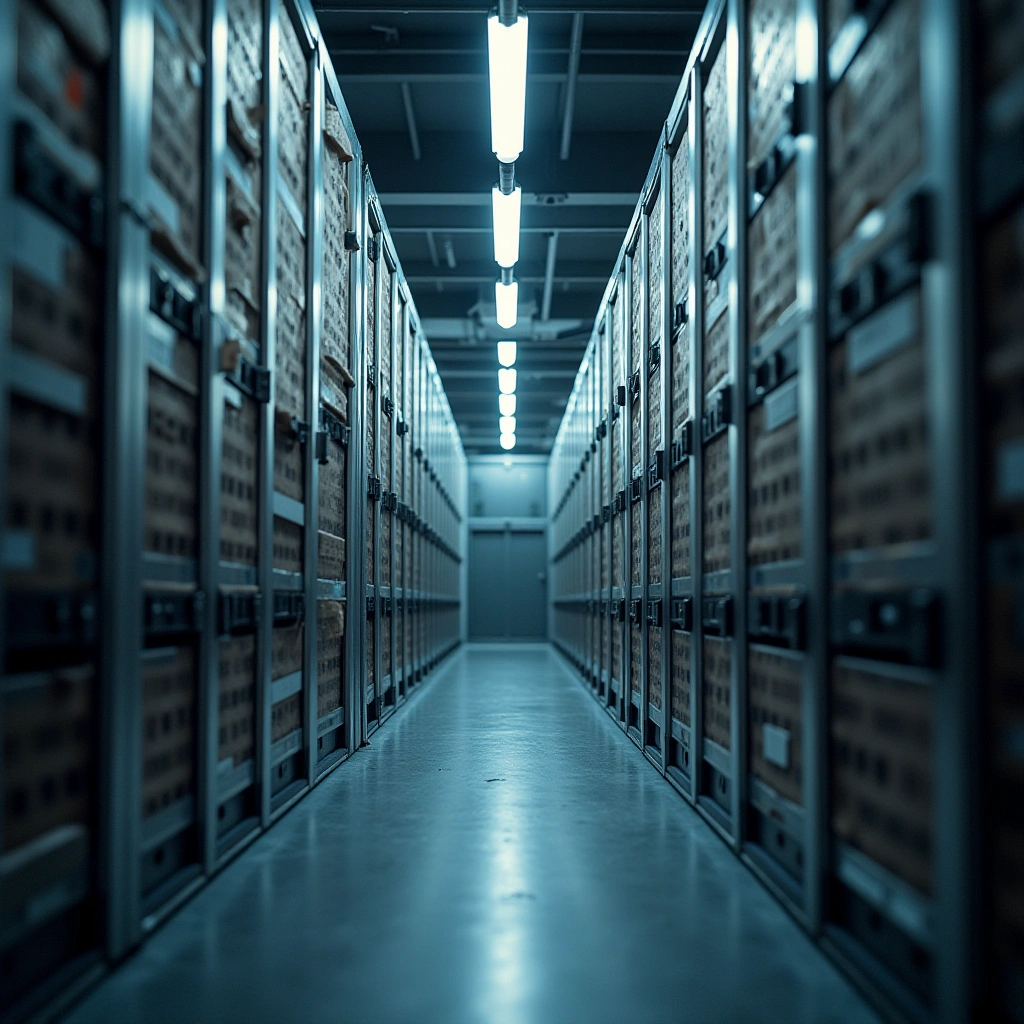
Ah, the digital age! Where memes are born, dreams are shared, and every embarrassing moment is immortalized forever. But wait, hold your horses! It turns out this digital paradise is facing a rather grim dilemma, thanks to an unexpected culprit: the AI boom and its insatiable appetite for hard drive storage. Yes, folks, the Wayback Machine and Wikimedia are feeling the pinch, and it’s like watching your favorite bar close down because of skyrocketing rent.
First off, let’s talk about the Wayback Machine. For those living under a rock (or perhaps, just in 2023), this magical tool lets us relive the glory days of the internet by capturing snapshots of web pages over time. It’s like a time machine for websites, allowing us to see what our favorite sites looked like before the redesign that made us question all of humanity’s choices. But here’s the kicker: as the prices for hard drives have soared, the folks at the Internet Archive are finding it increasingly difficult to keep up with the storage demands.
Imagine trying to store every single tweet, cat video, and conspiracy theory in existence while your storage costs are going through the roof! It’s like trying to fill a bathtub with a garden hose while your neighbor is blasting an air compressor next door. The irony is rich; as AI technology advances, it requires more storage space, thus raising the prices for everyone. In a world where data is the new oil, the archival sites are getting priced out of the market.
Now, let’s not forget about Wikimedia. You know, the people behind Wikipedia—the site we all pretend to use for research when in reality, we just want to settle a bar bet about who the 14th President of the United States was. General knowledge at our fingertips! But Wikimedia faces similar challenges. With stricter anti-scraping measures being implemented, it’s becoming harder for bots to archive information. And when I say “harder,” I mean trying to squeeze into skinny jeans after Thanksgiving dinner. It’s a struggle!
These anti-scraping measures are aimed at protecting websites from malicious bots, which is smart. However, it also inadvertently blocks the good bots—the ones trying to help preserve our digital history. It’s like putting a no-children-allowed sign outside a playground to stop the skateboarders. In doing so, we’re sacrificing the very essence of what makes the internet a collective memory.
So, what can we do? Well, we could all just start hoarding storage like it’s 1999, but that sounds like a fire hazard. Alternatively, we can advocate for policies that support archiving efforts and perhaps even encourage tech companies to lighten up on storage pricing. After all, if we can’t preserve the past, how will we ever learn from our collective mistakes? And let’s be honest, we have a lot of mistakes to learn from—like that time we thought “planking” was a good idea.
In conclusion, as we navigate this digital landscape that’s both a treasure trove and a ticking time bomb, let’s not forget the unsung heroes—the archival sites. Without them, our internet history could very well become a giant black hole of lost memes and forgotten blogs. And nobody wants to live in a world where we can’t relive the cringe of our past choices. So let’s raise a glass (of whatever you prefer) to the Wayback Machine, Wikimedia, and all those trying to keep our digital memories alive. Cheers!