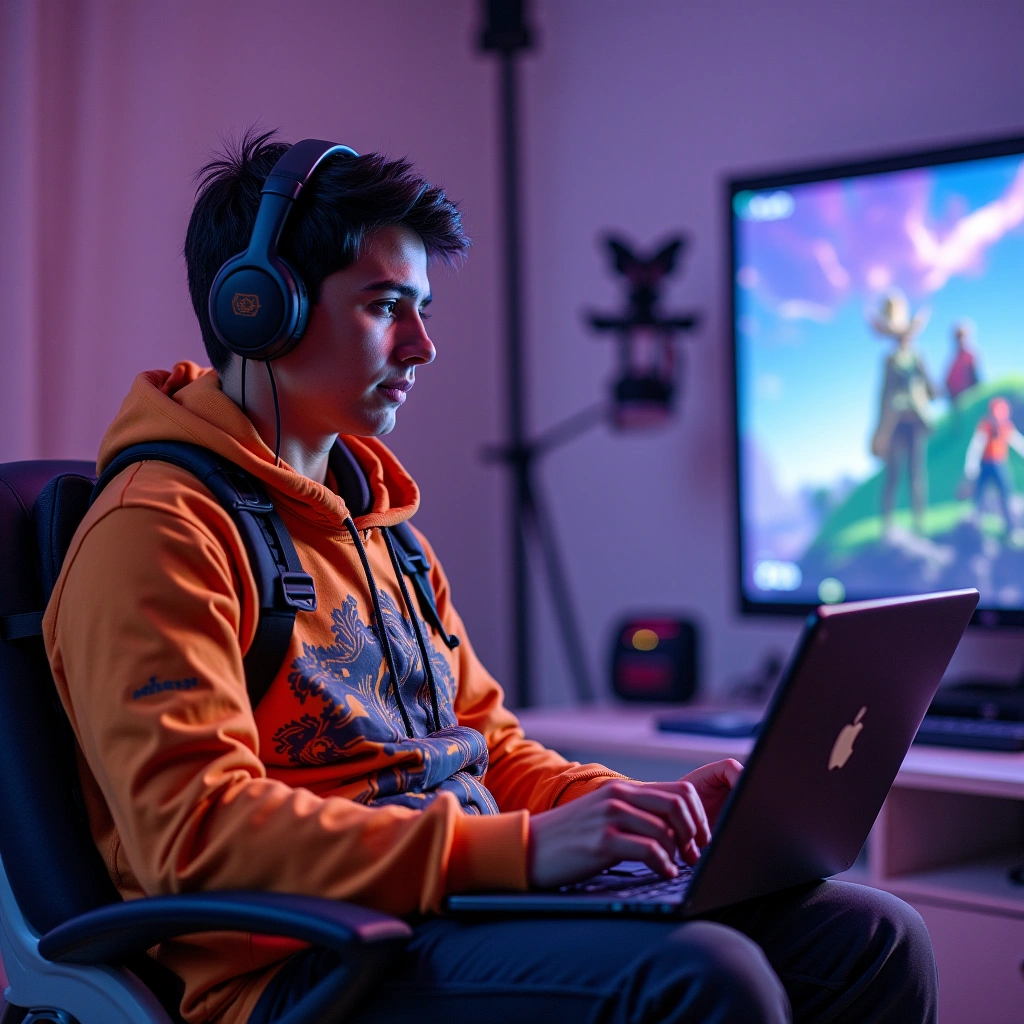
Hey there, fellow internet adventurers! Ever thought that your favorite battle royale game could be a tool for preserving languages? Well, grab your pickaxe because we’re diving into the wild world where Fortnite and Indigenous language preservation collide like a llama in a storm!
First off, let’s set the scene. Manitoba, Canada, is a province known for its breathtaking landscapes and rich Indigenous cultures. But like many places, Indigenous languages are facing some serious extinction vibes. The statistics are as grim as your cousin’s karaoke performance after three too many drinks. Many Indigenous languages in Canada are critically endangered, and that’s where our friend Fortnite comes into play.
Now, before you roll your eyes and think, “How can a video game possibly help with language preservation?” let’s break it down. In a world where kids are glued to screens faster than you can say “Victory Royale”, educators are getting creative. They’re using Fortnite not just as a pastime, but as a platform to teach and celebrate Indigenous languages.
Imagine this: you’re in a virtual world, building your own fort, and your character is giving you instructions in Cree or Ojibwe. That’s right! Through carefully crafted educational content, players can learn vocabulary, phrases, and even history while dodging enemy fire and collecting loot. It’s like a linguistic scavenger hunt, but with more dance emotes and less awkward small talk.
One of the coolest initiatives is the collaboration between Indigenous educators and game developers, merging traditional knowledge with modern technology. You could say they’re like the Avengers of language preservation, assembling to fight against the forces of linguistic doom. Gamers can participate in quests that require them to decode messages or complete challenges that teach them about Indigenous cultures and their languages.
But wait, there’s more! Fortnite isn’t just about the learning. It’s also about community. The game creates a space for young people to connect with each other, share their learning experiences, and bond over the thrill of victory—or the agony of defeat. It’s like a digital campfire where stories are shared, and connections are made, all while trying to avoid being sniped from a distance.
Now, some might argue that using video games for education is a slippery slope. Do we really want kids spending more time in front of screens? But let’s be real: they’re already there. So why not make that time productive? Plus, when learning is fun, kids are more likely to engage and retain information. It’s a win-win situation—except for the poor parents trying to get their kids to log off.
So, what’s the takeaway here? Fortnite is not just a game; it’s a canvas for creativity, a platform for education, and a bridge to cultural preservation. As we embrace new technologies, we should also consider how they can be harnessed to keep our languages and cultures alive. Who knew that the secret weapon against language extinction would come from a virtual battle royale?
In conclusion, the next time you see someone building a fortress in Fortnite, just remember: they might be fortifying the future of Indigenous languages. So, let’s applaud these innovative efforts and maybe even pick up a controller ourselves. Who knows? You might just learn a thing or two while saving the world—one dance emote at a time!