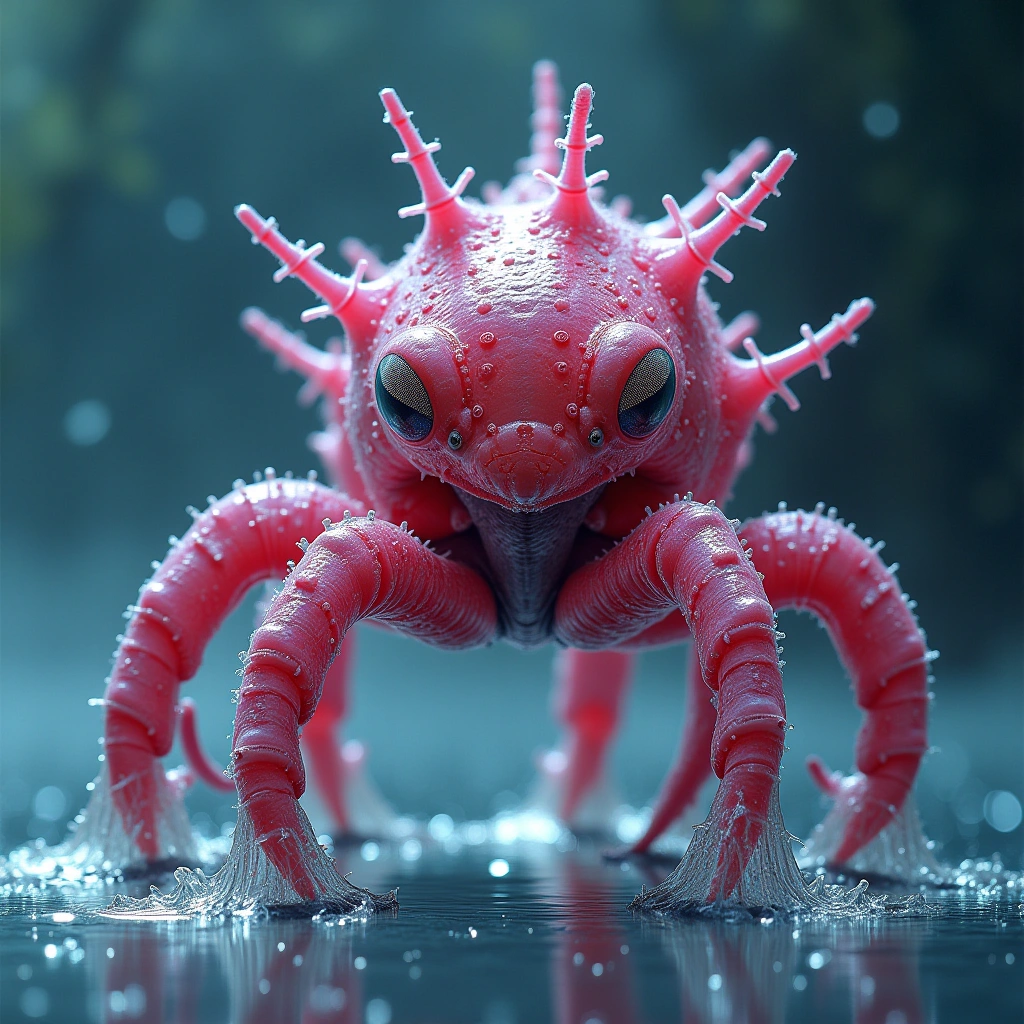
Hey there, science enthusiasts and curious souls! Gather ’round as I regale you with a tale of microscopic mayhem, where a tiny predator named Lacrymaria waged war against the unsuspecting Paramecia population. Spoiler alert: it was epic—if only we could stream it on Netflix!
So, let’s set the scene. Picture this: a petri dish, a cozy little ecosystem where tiny organisms go about their business, minding their own microscopic affairs. Enter Lacrymaria, a single-celled predator that packs a punch bigger than your typical high school bully. This little guy (or gal, we respect unicellular gender fluidity here) has a knack for hunting down Paramecia like it’s auditioning for the next big sci-fi blockbuster.
Now, I know what you’re thinking: how can a creature that’s literally smaller than a grain of sand be considered deadly? Well, my friend, Lacrymaria is like the ninja of the microbial world. Armed with its whip-like pseudopodia, it ensnares unsuspecting Paramecia and, let me tell you, it’s not a pretty sight. One moment, the Paramecia are blissfully swimming around, and the next, they’re just…gone. Poof! Like my hopes of winning the lottery!
Throughout the week, I observed this microscopic drama unfold. Day one was all about the calm before the storm. Paramecia were thriving, swimming around like they were at a pool party. But then, Lacrymaria showed up looking for a snack, and suddenly, it was like watching a nature documentary narrated by David Attenborough. The tension! The suspense! I even found myself rooting for both sides like some sort of microbial referee.
As days passed, the Paramecia population dwindled like my willpower on a Friday night. By day three, I was practically taking bets on how long it would take for the Paramecia to go extinct. It felt like I was watching a slow-motion car crash—horrifying yet impossible to look away from. I half expected Lacrymaria to start doing victory laps in the dish, maybe even throw a tiny party with confetti made of Paramecia remains.
But alas, the glory of Lacrymaria was short-lived. By the end of the week, it had devoured its fill, and just like that, it too succumbed to the inevitable fate of all living things—die from overeating. Seriously, it’s a classic case of ‘you are what you eat,’ and in this case, that was way too many Paramecia. Talk about a tragic end to a predator’s reign!
So, what can we learn from this microscopic saga? Perhaps it’s a cautionary tale about the balance of ecosystems—one minute you’re on top of the food chain, and the next, you’re a cautionary tale for other unicellular organisms. Or maybe it’s just a reminder that even the deadliest of predators can fall victim to their appetites. Either way, it was a wild ride, and I’m grateful for the opportunity to witness this unique drama unfold.
In conclusion, Lacrymaria may have been the killer of Paramecia, but it also reminded us that in the grand scheme of life, even the most fearsome can meet their match. Now, if only I could find a way to monetize this knowledge…