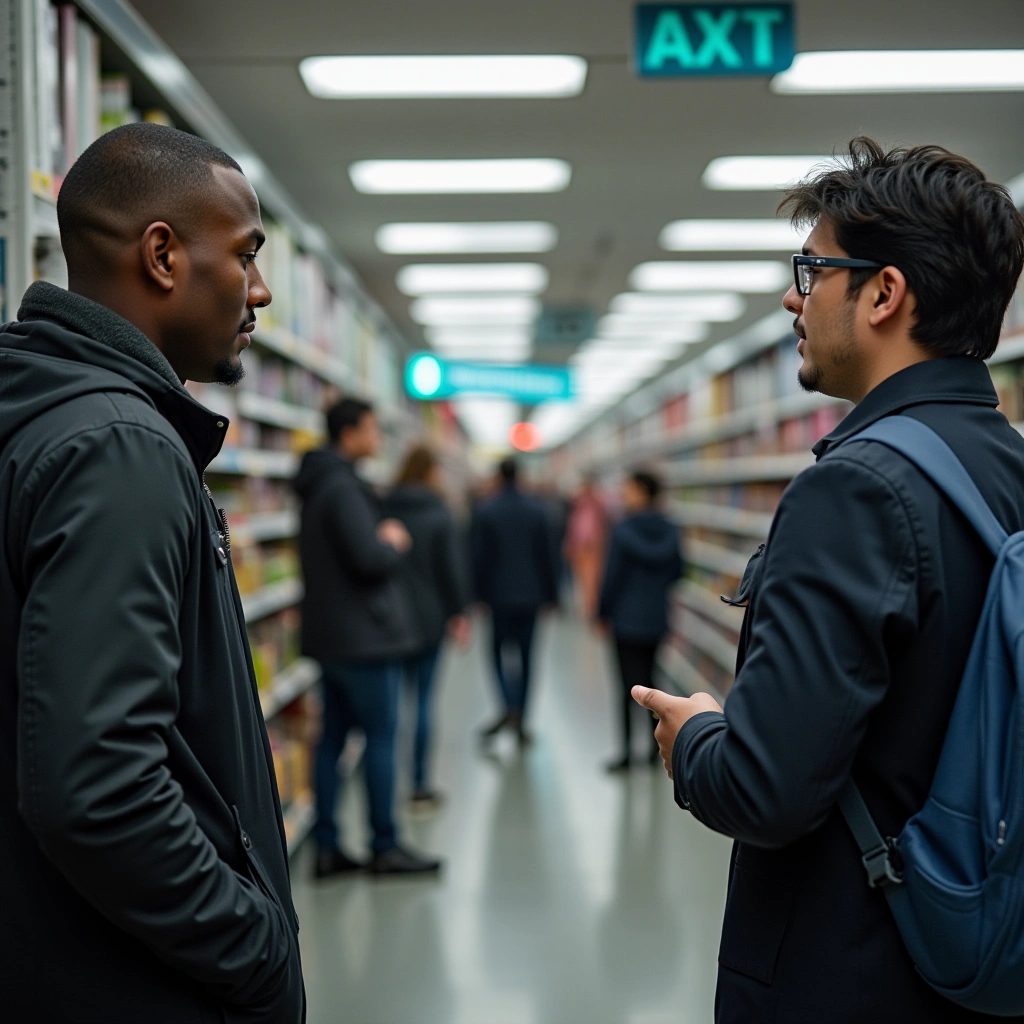
Picture this: You’re in a store, happily browsing the aisles for that perfect avocado toast ingredient, when suddenly a spotlight shines on you. No, it’s not your Instagram filter gone rogue; it’s a facial recognition system that’s mistakenly pegged you as a professional shoplifter. Welcome to the wild world of retail technology gone wrong!
Facial recognition tech is often touted as a miracle for loss prevention, but it comes with a hefty side of controversy. In recent news, shoppers have found themselves in a bizarre position: guilty until proven innocent. Yes, you read that right! It seems that the futuristic technology, designed to keep the bad guys at bay, sometimes just ends up finger-pointing at the innocent. Talk about a plot twist!
Let’s break it down. This tech relies on algorithms that analyze facial features and match them against a database of known offenders. Sounds simple, right? Well, it’s not. These systems can be as reliable as your friend who always forgets to charge their phone. They’re prone to errors, especially when it comes to identifying individuals from diverse backgrounds. Spoiler alert: not everyone looks like a criminal, despite what those algorithms might think!
For those poor souls who’ve been misidentified, the aftermath can be a living nightmare. Imagine being approached by security, your shopping bags suddenly feeling heavier than your guilt. You’re not just a customer; you’re now a suspect. Clearing your name can take weeks, if not months, and involves a lot more paperwork than you ever signed up for when you decided to just pop out for some milk.
Let’s be honest, the justice system is not exactly a speedboat; it’s more like a sluggish canoe. You’re left navigating through a sea of confusion, trying to prove your innocence while dealing with the harsh reality that many stores will take the word of a computer over a human being. Who knew that becoming a law-abiding citizen could feel like a full-time job?
And here’s where things get a bit spicy. Should we really trust a tech that can turn innocent shoppers into potential felons? The answer is a resounding no! While the intention might be to reduce theft, the collateral damage is real. Innocent lives are being disrupted, reputations tarnished, and quite frankly, it’s just plain wrong.
So what’s the solution? First off, let’s dial back on the reliance on tech that can’t tell the difference between a thief and your grandma who just wants to buy some yarn. Stores need to invest in better technology, or at the very least, employ people who can actually use their judgment. Imagine a world where human oversight is prioritized over algorithms—sounds revolutionary, right?
In conclusion, while facial recognition can potentially help in preventing theft, it should never come at the cost of innocent lives. We need to advocate for systems that protect the consumer and don’t treat them like a criminal just for wanting to shop. Until then, keep your head up and your shopping list ready—because you never know when you might be accused of being the next ‘greatest show on earth’ in a retail store!