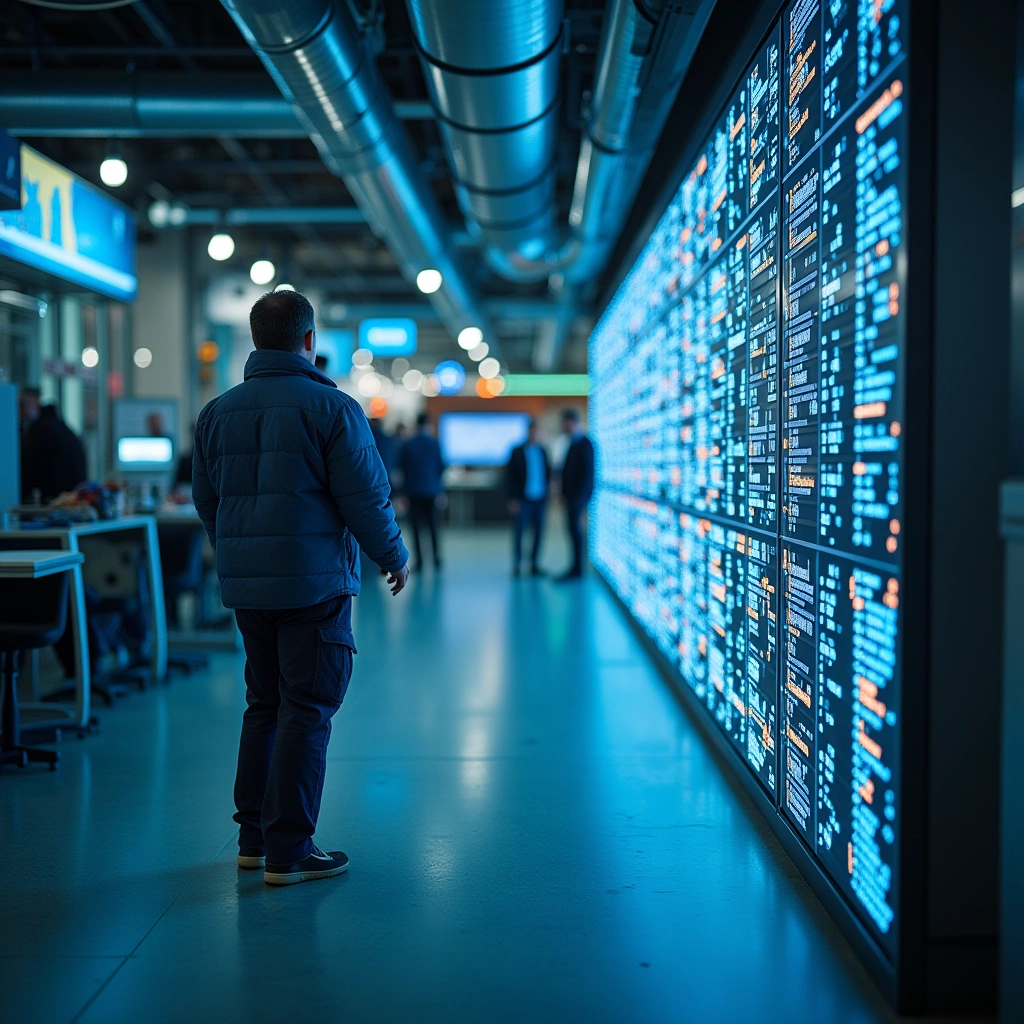
Ah, algorithms! Those magical lines of code that promise to make our lives easier but often end up throwing our schedules into a blender. Let’s take a dive into the world of workers who have found themselves at the mercy of these digital overlords, as their schedules get chopped and their paychecks get trimmed like a bad haircut.
First off, let’s set the scene. Imagine waking up in the morning, sipping your overpriced coffee, and checking your phone only to find out that your shift has been moved from 9 AM to 3 PM. Surprise! You’re now working the graveyard shift, but without the cool vampire aesthetic. This has become a reality for many workers thanks to the rise of scheduling algorithms.
These algorithms are designed to maximize efficiency, which sounds great in theory—like a diet plan that tells you to eat kale and avoid pizza. But in practice? It’s more like a diet plan that suddenly decides that ice cream is now a vegetable. Workers are left scrambling, trying to adjust their lives on a dime, while these cold, calculating codes sit back and watch the chaos unfold.
Now, let’s talk about pay. You might think that with all this efficiency, workers would actually see their paychecks grow. Oh, how naive you are! Instead, many have found their hours cut, leaving them wondering if they should start a side gig selling handmade friendship bracelets just to make ends meet. It’s like getting a promotion, only to find out it comes with a pay cut and a complimentary “sorry, not sorry” card.
And it doesn’t stop there. The psychological toll of constantly changing schedules can be brutal. Workers are often left feeling like they’re in a bad relationship with their jobs—one minute they’re being showered with attention (or hours) and the next, they’re ghosted. This creates a workforce that’s perpetually anxious, living in a state of uncertainty. Not exactly the kind of environment that inspires creativity or productivity.
But wait, there’s more! These algorithms don’t just affect the workers; they can impact the entire economy. With more people struggling to maintain a stable income, we might as well consider opening a support group called “Workers Anonymous.” Members can gather to share their war stories, swap tips on how to hide from the algorithm’s gaze, and maybe even form a union—if they can ever find the time between their unpredictable shifts!
So, what’s the solution? Should we throw all algorithms out the window and return to the days of human schedulers? Well, maybe not all algorithms are bad. Some of them actually help optimize processes and improve efficiency. But the key is balance. We need to ensure that these digital tools are serving the workers, not the other way around.
In conclusion, while we may not be able to stop the algorithmic apocalypse, we can certainly advocate for a more humane approach to scheduling. After all, workers deserve stability, dignity, and the ability to enjoy their coffee without a side of existential dread. So, let’s raise our mugs to a future where algorithms work for us, not against us. Cheers!