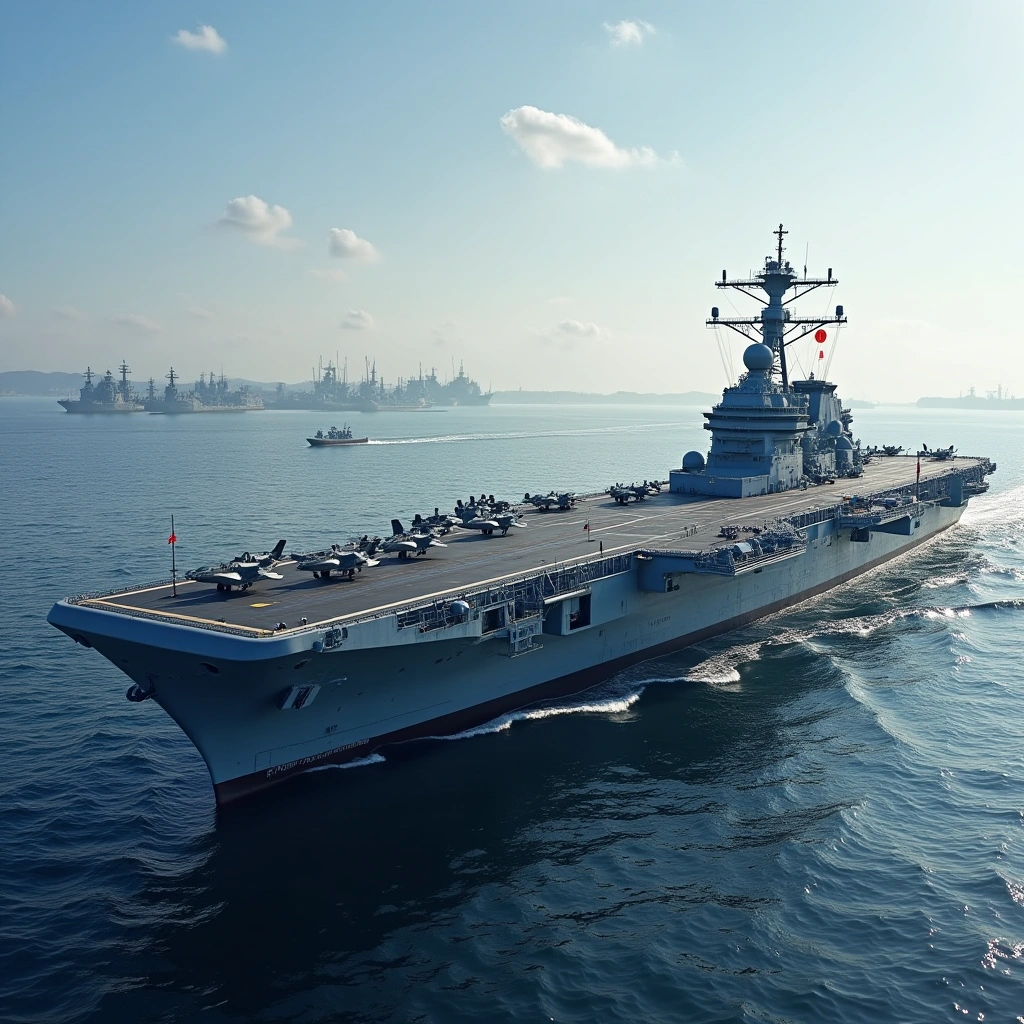
Ahoy there, friends! Grab your favorite fizzy drink and settle in because today we’re diving into a tale so bizarre that it sounds like it was plucked straight from the pages of a bizarre history book—if such a thing existed. Yes, you read that right: Pepsi, the sweet, carbonated beverage that fuels our late-night binge-watching sessions, once found itself in command of the 6th largest navy in the world. And no, this isn’t a plot twist from a new blockbuster movie; it’s a true story!
Now, before you start picturing a fleet of ships sailing under the Pepsi flag, let’s rewind to the late 1980s. The Cold War was still a thing, the world was a little more colorful thanks to neon everything, and Pepsi was looking to expand its global reach. But how do you make your mark in a world dominated by Coca-Cola? By doing something utterly bonkers, of course!
In a rather peculiar twist of fate, Pepsi entered into a deal with the Soviet Union. Yes, the USSR! The land of vodka, fur hats, and some questionable political choices. Pepsi struck a deal to exchange soft drinks for a fleet of ships—yes, ships. This wasn’t just any old deal; Pepsi acquired a whopping 17 decommissioned naval vessels, including destroyers and submarines. Imagine a giant floating Pepsi billboard, cruising through the waves! It’s like a Seinfeld episode but with more bubbles.
At its peak, Pepsi’s navy was a powerful force—if only in the realm of beverage marketing. This fleet made Pepsi the 6th largest navy in the world, surpassing some countries. That’s right, Pepsi was suddenly more powerful than some nations! Just think about it: while other countries were busy flexing their military might, Pepsi was flexing its fizz.
But why did they want a navy, you ask? Well, the Soviets were keen to trade their ships for something that could quench their thirst and also serve as a glaring reminder of capitalism. Pepsi was all too happy to oblige, thinking it would help them sell more cola. Talk about a marketing strategy that could sink ships! The irony is rich here—while the U.S. and the USSR were tangled in a battle of ideologies, Pepsi was navigating through the uncharted waters of soft drink diplomacy.
Now, before you start thinking of Pepsi as a military powerhouse, let’s not forget that this navy was more of a PR stunt than anything else. The ships were all rusted and retired; they weren’t exactly gearing up for a naval showdown. In fact, they were probably more suited for a giant floating party than a battle. Picture a submarine with a disco ball and a Pepsi fountain—now that’s a party I’d sail on!
Eventually, the deal fizzled out, and Pepsi had to part ways with its nautical ambitions. But the legend of Pepsi’s short-lived naval empire lives on! It serves as a reminder that sometimes, the most outrageous ideas can lead to the most extraordinary stories. So, the next time you crack open a can of Pepsi, just remember: you’re sipping on a beverage that once commanded a fleet of ships. Who knew that your beverage choice could be so… naval?
In conclusion, let’s raise our glasses (or cans) to Pepsi—not just for its refreshing taste but for its audacious and slightly ridiculous history. Here’s to the 6th largest navy that never was, and may we always find joy in the most unexpected places. Cheers!