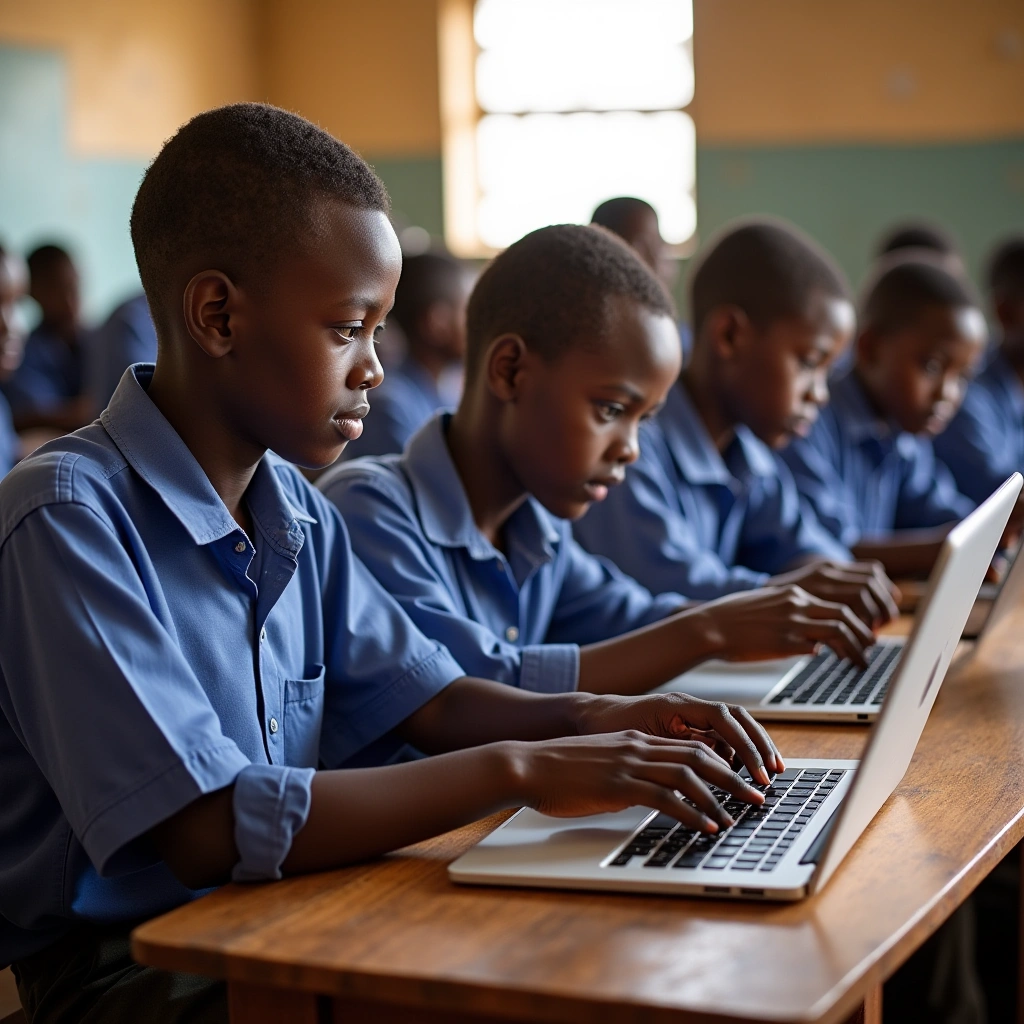
Alright, folks, grab your virtual backpacks because we’re going on a digital journey to Malawi! Yes, that beautiful country in southeast Africa, known for its stunning lakes and wildlife, is also making headlines for a tech project that’s about to shake things up in its remotest schools. And let’s be honest, who doesn’t love a good tech story with a sprinkle of controversy?
So, picture this: a classroom in a remote village. You’ve got the teacher, some eager (and probably a bit bewildered) students, and… a shiny new tablet? Yes, that’s right! The tech project on the table aims to introduce digital learning tools to schools that are as far away from the internet as your uncle is from understanding TikTok.
Now, you might be thinking, “What’s the big deal? Digital tools are everywhere!” Well, my friend, that’s where the plot thickens. In Malawi, many schools struggle with basic resources—think chalkboards, not smartboards. So, bringing technology into these classrooms isn’t just a matter of adding some snazzy gadgets; it’s about transforming the entire educational landscape.
Let’s break it down. First off, the benefits are obvious. Digital tools can enhance learning experiences, provide access to a wealth of information, and maybe (just maybe) make math a little less painful. Imagine kids learning coding instead of just counting beans! But wait—there’s a catch. With great technology comes great responsibility, and not everyone is onboard the digital bus.
Enter the skeptics. Some people question whether throwing tech at a problem is the answer. They argue that without proper infrastructure, teacher training, and ongoing support, this initiative might be like giving a smartphone to a goat—entertaining, but ultimately pointless. And let’s face it, no one wants to see a goat try to scroll through Google.
But let’s not throw the baby out with the bathwater just yet. Advocates of the project are pushing for a holistic approach. This means not just slapping tablets in front of students, but ensuring teachers are trained and that there’s a reliable power source (because, let’s be real, no one likes a dead battery during a lesson on how to save the world with technology).
Moreover, there’s the whole issue of content. What will students actually learn? Are we going to fill their minds with the latest TikTok dances or useful skills? The project promises to focus on relevant, locally-appropriate content. So, we might just see some future tech-savvy Malawians who can outsmart your average Silicon Valley intern!
But, as in any good story, there are challenges ahead. From ensuring equitable access to technology among students to tackling cultural attitudes towards education and technology, this project is walking a tightrope that could either lead to a grand success or a spectacular fall.
In conclusion, bringing Malawi’s remotest schools into the digital age is more than just a tech upgrade; it’s a chance to reshape the future of education in the region. Will it be a digital utopia or just a flashy distraction? Only time will tell. But one thing’s for sure—if this project succeeds, we might just see a new generation of Malawian innovators and tech leaders emerging, ready to tackle the world. And honestly, wouldn’t that be a plot twist worth following?