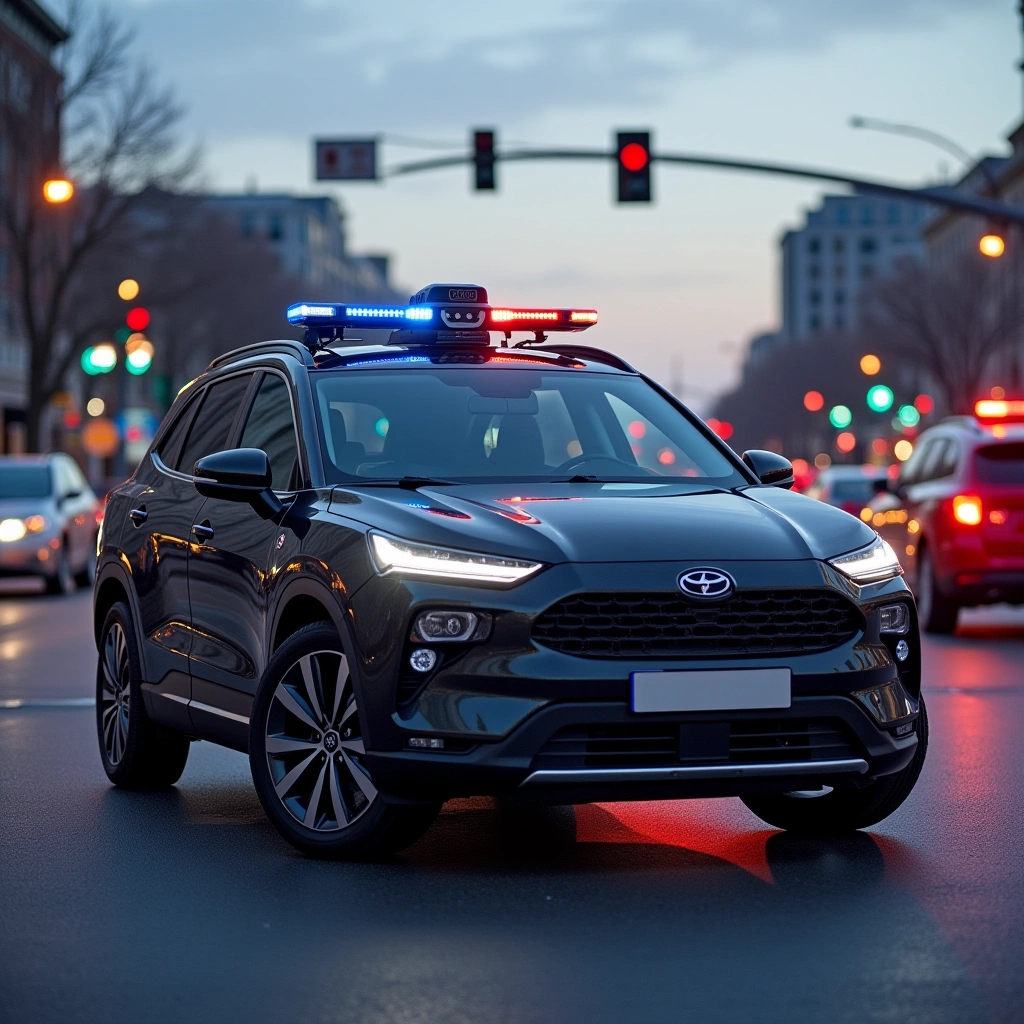
So, let’s talk about the latest drama unfolding in the streets of our beloved cities: emergency first responders are claiming that Waymo’s autonomous vehicles are getting worse. Yes, you heard that right! The robots that were supposed to save us from the chaos of human driving are now causing a ruckus of their own. Grab your popcorn; this is going to be a wild ride!
First off, let’s set the stage. Waymo, the brainchild of Google (or Alphabet, if you want to be all fancy), has been the poster child for self-driving technology. They promised a future where we could kick back in our cars, sipping lattes while our vehicles handle all the traffic drama. But apparently, this utopian vision is facing some serious potholes.
Emergency responders, those brave souls who rush in when things go haywire, have reported that these autonomous vehicles are becoming more of a headache than a help. Imagine this: you’re racing to save someone’s life, and a Waymo decides that stopping at an intersection is optional. Yikes! It’s like the car equivalent of a toddler throwing a tantrum in the middle of a grocery store—totally chaotic and not at all helpful.
Now, let’s dissect why this is happening. First on the list is the infamous software glitches. It seems like Waymo is running into some bugs that even the best exterminator couldn’t deal with. The cars are sometimes failing to recognize emergency vehicles, which is a bit of a deal-breaker when you think about it. I mean, how can you expect to be a safe driver when you can’t even see the flashing lights of an ambulance? It’s not like they’re trying to sneak up on you!
Second, there’s the matter of traffic interactions. Waymo’s cars are programmed to obey all the traffic laws, which is great in theory. However, the real world doesn’t always play by the rules. When human drivers make split-second decisions (like, say, veering out of the way of a potentially disastrous collision), the Waymo vehicles often freeze up, stuck in a moral dilemma that would make any philosopher proud. It’s like they’re doing a calculus problem while the rest of us are just trying to survive rush hour.
And let’s not forget the sheer public perception. With every mishap, the reputation of autonomous vehicles takes another hit. It’s like watching a reality TV star get caught in yet another scandal—people just can’t look away. First responders are worried that if these cars continue to misbehave, it could lead to a loss of trust in the entire self-driving industry. And we all know what happens when trust is lost: chaos, confusion, and an influx of memes about how humans are better drivers (which, let’s be real, might not be that far from the truth).
So, what’s the solution? Do we need to send Waymo back to driving school? Well, it’s a bit more complicated than that. The tech needs continuous improvements, better algorithms, and perhaps a few more human-like instincts, you know, the ones that help us dodge potholes and pesky pedestrians. Maybe they could use some lessons from a seasoned cab driver who’s seen it all!
In conclusion, while Waymo’s self-driving cars promised a brighter, safer future, it seems we’re stuck in the growing pains of this technology. As emergency responders raise their red flags, it’s time for the tech industry to step up its game. Because if we can’t trust our autonomous vehicles to keep us safe, then what’s the point of having them in the first place? Here’s to hoping the future isn’t a bumper car ride!