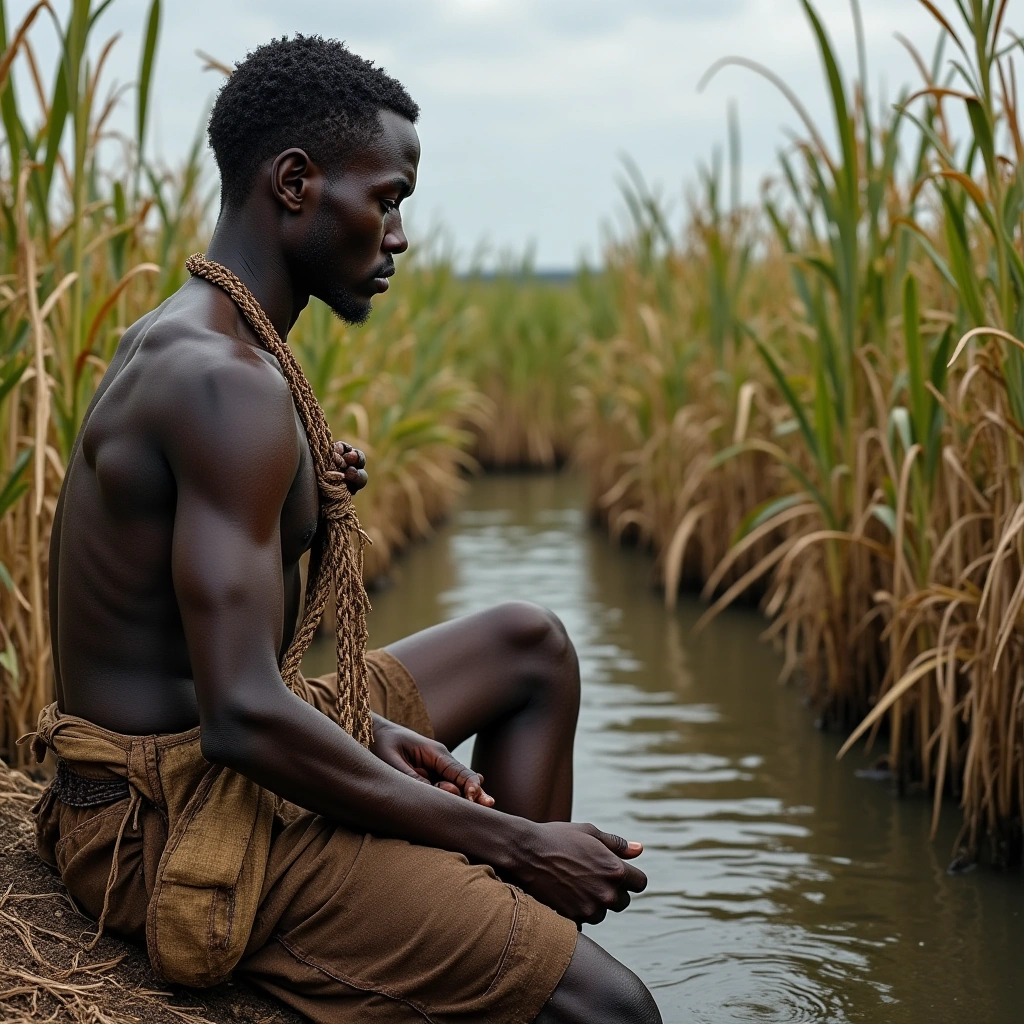
Ah, the 18th century Rice Coast—where you could grow rice faster than you could grow a conscience! In South Carolina and Georgia, the push for irrigation projects turned the land into a veritable goldmine for rice plantations. Unfortunately, it also turned the lives of many enslaved people into a living nightmare. If you thought your job was tough, try being part of a population where 66% to 90% of children didn’t even make it to 15 years old. Yikes!
Now, let’s take a moment to unpack this grim statistic. You see, enslaved lives were treated as mere capital—like how you’d treat an old smartphone that’s outdated and no longer holds its value. When those little ones passed away, their deaths were noted in private ledgers, not as tragic losses of potential, but as just another line item in the ledger of profits and losses. Talk about dehumanizing!
The irrigation projects were extensive. Imagine a bunch of folks digging ditches and building canals under the blazing sun, only to find that the very system designed to grow crops was also inadvertently facilitating a cycle of death. Water management for rice required an intricate system of dikes and channels, which would often lead to the spread of diseases like malaria and dysentery. Apparently, the only thing growing faster than the rice was the mortality rate of the enslaved population.
But wait, there’s more! The conditions under which these individuals worked were horrendous. The heat made the Sahara look like a cool breeze, and the labor was back-breaking. And here’s the kicker: while enslaved people were toiling away, plantation owners were counting their profits and planning their next lavish party, probably thinking, ‘What a fine year for rice!’
It’s mind-boggling how little regard was given to those who made the riches possible. The enslaved population was often seen as disposable—replaceable like that last slice of pizza that no one wants. And while they gave their all to the land, their lives were reduced to mere statistics. You know, the kind of numbers that make you want to slam your fist on the table and shout, ‘This is not okay!’
So, what can we learn from this dark chapter in our history? For starters, it’s crucial to recognize the humanity of those who were enslaved. They were not just numbers; they were individuals with hopes, dreams, and families—people who deserved a shot at life and happiness. Understanding this context is key to ensuring that history doesn’t repeat itself.
And let’s be real, history can be a bit of a drama queen. It often romanticizes the past while glossing over the harsh realities. So next time you hear someone talking about the ‘good old days,’ remember to remind them that, for many, those days were anything but good.
In conclusion, while the Rice Coast may have been fertile ground for rice, it was also a breeding ground for tragedy. The legacy of those who suffered during this time should not be forgotten. So raise your glasses—preferably not filled with rice water—and let’s toast to the resilience of those who endured unimaginable hardship. May we never forget their stories!