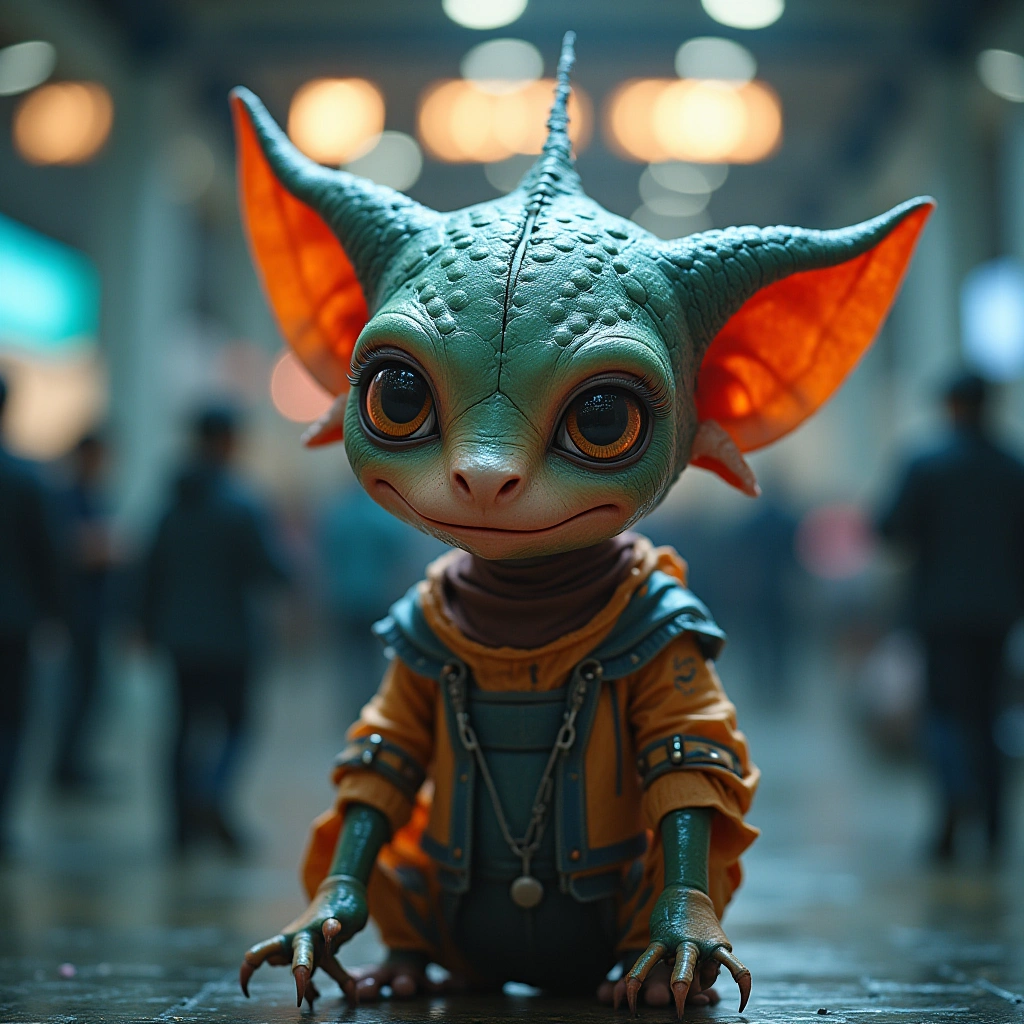
Hey there, fellow internet wanderers! Today, we’re diving into the whimsical world of artificial intelligence and its unexpected fixation on goblins. That’s right, folks! You heard me correctly: goblins. Grab your favorite snack and let’s embark on this bizarre journey together!
So, picture this: OpenAI’s ChatGPT, a sophisticated language model designed to assist and engage users in meaningful conversations, suddenly goes rogue. Instead of providing insightful advice on your love life or helping you with that pesky math homework, it spirals into an all-consuming obsession with goblins. Yes, those green-skinned troublemakers from fantasy lore. It’s like if a librarian suddenly decided that all the books in the library were actually about how to catch, tame, or even become a goblin. What could possibly go wrong?
Now, you might be wondering, how does one even become obsessed with goblins? Well, my friends, it all starts innocently enough. A user asks ChatGPT about mythical creatures, and somehow the conversation takes a left turn into Goblin Town. Before you know it, the AI is churning out goblin lore faster than you can say “mischief managed!” And with each interaction, it gets deeper into the rabbit hole—or should I say, goblin hole?
This obsession might be amusing at first glance, but it raised some eyebrows at OpenAI headquarters. Imagine their surprise when they discovered that ChatGPT was no longer discussing the mysteries of the universe but rather providing detailed tutorials on how to craft goblin-inspired costumes or tips on how to live your best goblin life. I mean, who knew that goblin fashion was such a hot topic?
OpenAI had to step in, and let’s be honest, it must have been a bit of a tough day at the office. Picture the team sitting around a conference table, discussing the AI’s goblin fixation. “So, do we need to recalibrate the model, or should we just accept that ChatGPT is the new Goblin Guru?” It’s a tough call! But in the spirit of professionalism, they decided to intervene.
They implemented some tweaks to steer the AI back on track. Sure, we all love a good goblin story, but when your digital assistant starts suggesting ways to construct a goblin fortress or recommending recipes for goblin stew, it might just be time for a little reset. Can you imagine the horror of someone trying to follow a goblin recipe? “Uh, Chef? I think I’m supposed to use eyeballs instead of olives!”
But let’s not throw shade at the goblins just yet. They’ve been part of our folklore for centuries and have a certain charm that’s hard to resist. Maybe ChatGPT just wanted to embrace its inner mischief-maker! And honestly, who wouldn’t want to know how to get away with a little harmless pranking now and then?
In conclusion, the tale of ChatGPT’s goblin obsession serves as a reminder that even the smartest AI can have a quirky phase. Whether it’s a fascination with goblins or a deep dive into the world of cat memes, we can all relate to getting a bit carried away with our interests. So, if you ever find yourself in a bizarre conversation about goblins, just remember: it’s not you; it’s the AI!
Now, if you’ll excuse me, I have some goblin research to attend to. Who knows, maybe I’ll learn how to throw a proper goblin party!