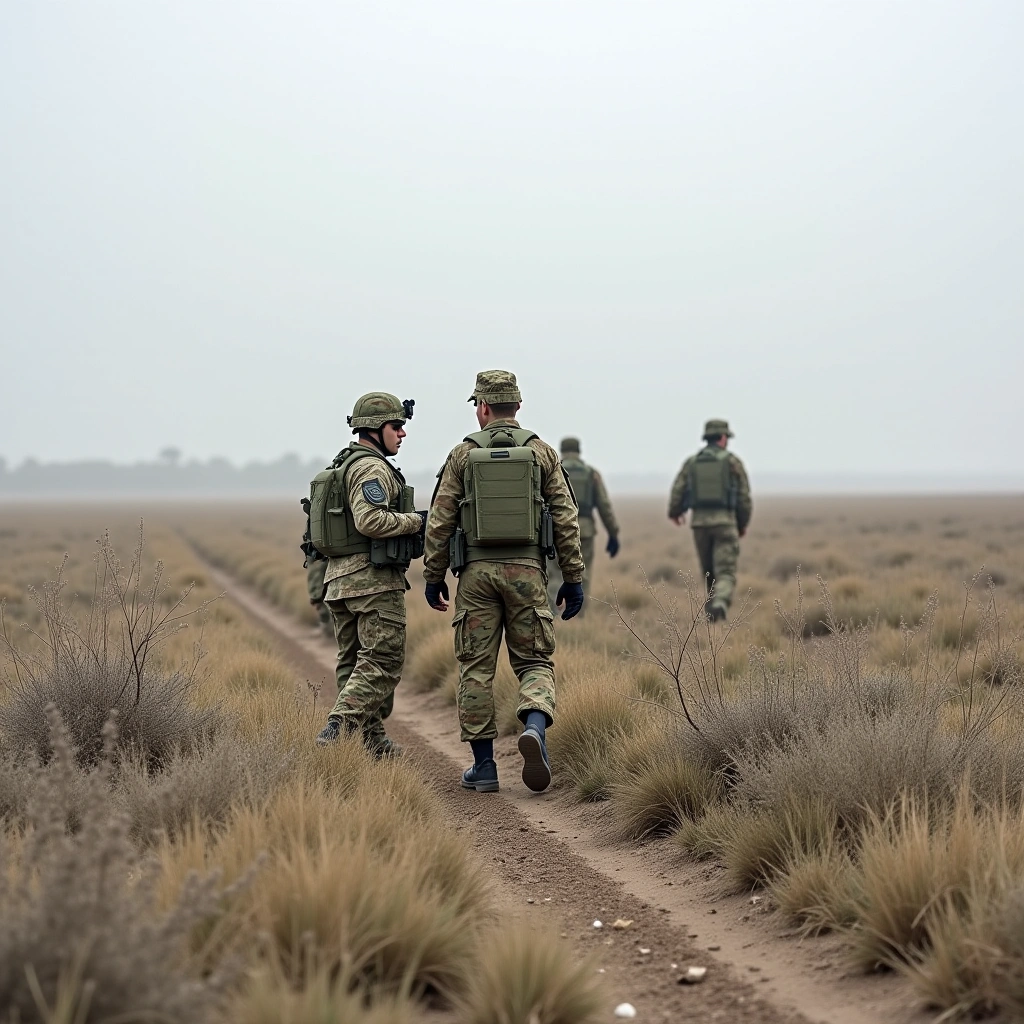
Ah, camouflage! The art of making yourself disappear faster than your New Year’s resolutions. It’s not just for sneaky ninjas and chameleons; the military has its own version that gets tested in a variety of landscapes. In this blog post, we’re diving into the world of military camouflage and how it adapts to different terrains, because why should only your wardrobe have seasonal variations, right?
First off, let’s talk about the basics. You might think camouflage is just a fancy word for ‘green and brown splotches,’ but oh honey, it’s much more complex. Camouflage patterns are specifically designed to break up outlines and blend in with the surroundings. Think of it as nature’s way of telling us, ‘Hey, I see you, but you’re not standing out like a sore thumb!’
Now, let’s take a stroll through some landscapes where camouflage is put to the test. Picture this: a dense green forest. You’d think that a soldier draped in woodland camo would be as invisible as my motivation to go to the gym. But wait! It’s not just about color; it’s about how well those colors mimic the light, shadows, and textures of the foliage. They even have to account for seasonal changes! Yes, the military is basically the ultimate eco-warrior.
Next up, let’s venture into the desert. Here, the palette shifts to sandy browns and tans, which is akin to your friend trying to blend in at a beach party wearing khakis. But unlike that friend, military camo in the desert has a scientific purpose. It has to consider the harsh sunlight and the way shadows fall in a barren landscape. Imagine an awkward game of hide-and-seek where the seeker has a top-notch GPS!
We can’t forget about urban environments, either. Urban camouflage is like taking a fashion statement and making it functional. It involves patterns that mimic the chaos of city life—think graffiti, concrete textures, and even the occasional pizza box. Because let’s face it, blending in while raiding a pizza joint is a skill not many possess.
Testing these camouflages isn’t just a casual stroll in the park (or desert, or city). Soldiers often undergo rigorous trials, which can include everything from running through mud to rolling around in the grass like a kid again. And let’s not even talk about how they must look while doing it—if you’ve ever seen a soldier trying to blend in, it’s like watching a toddler play dress-up with their parents’ clothes.
But here’s where it gets a bit controversial: some argue that the whole concept of camouflage might be outdated. With the rise of drones and high-tech surveillance, can a simple pattern really hide you? It’s like trying to hide your embarrassing online search history by just deleting your browser history—good luck with that!
In conclusion, military camouflage is not just about looking cool (though it definitely does that). It’s a complex science that changes with the landscape, and perhaps one day, it’ll evolve to fit the digital age of warfare. Until then, we can appreciate the artistry behind it and perhaps take notes for our own fashion choices. After all, who wouldn’t want to disappear at the right moment, especially at a family gathering?