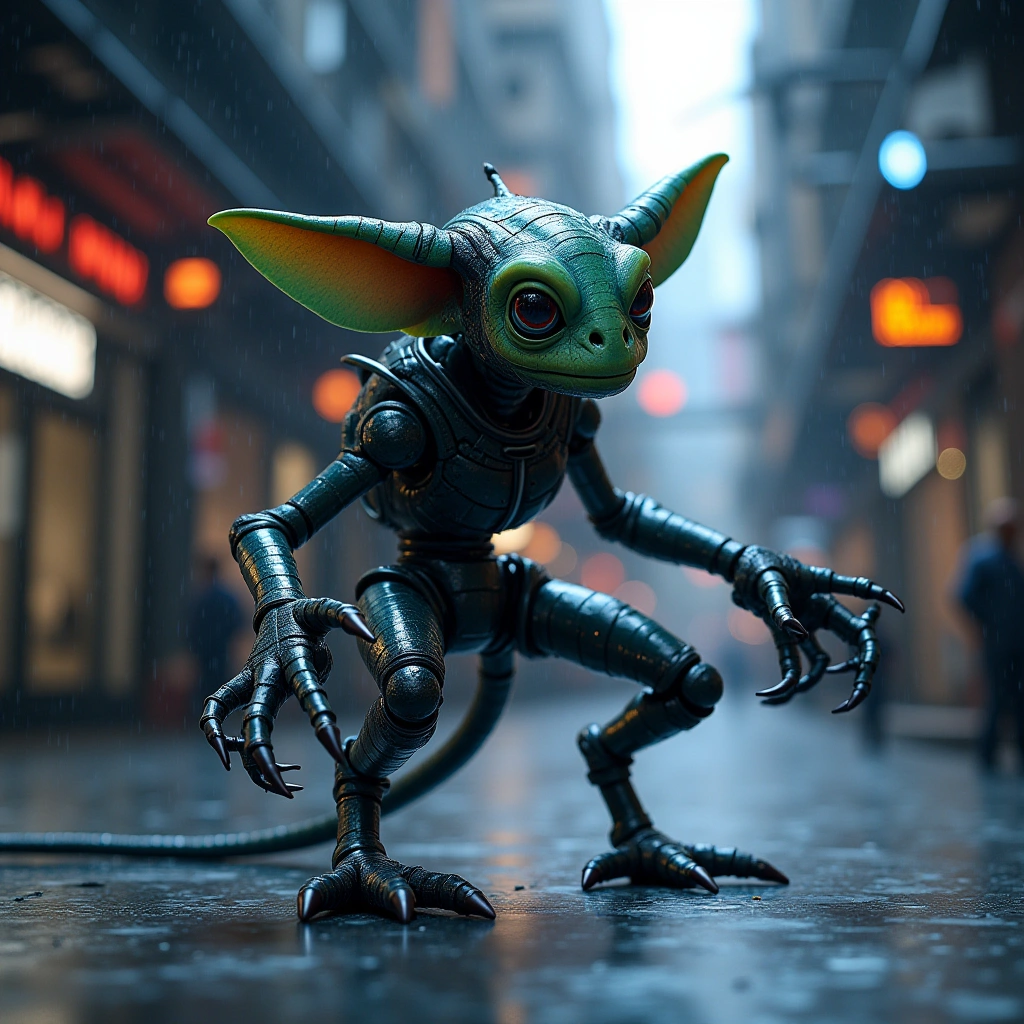
Have you ever tried to have a serious conversation about technology, only to find yourself knee-deep in goblins and trolls? Well, buckle up, because OpenAI’s Codex has taken a stand against our favorite mythical mischief-makers. Yes, you heard it right: goblins, gremlins, raccoons (seriously?), trolls, ogres, and even pigeons are all on the naughty list.
Now, before you start sharpening your pitchforks and rallying for the rights of these misunderstood creatures, let’s dissect this bizarre policy. Why on earth would an AI model need to have a strict no-creatures clause? Is Codex secretly a goblin-hater? Or, is there a deeper reason behind this whimsical prohibition?
First off, let’s address the elephant in the room—or should I say, the goblin under the bed? OpenAI’s Codex is designed to assist developers in generating code snippets. If you’re deep in the trenches of programming, the last thing you want is a goblin popping up with unsolicited advice on your JavaScript! I mean, come on, have you seen the coding skills of a goblin? They’d probably suggest using a fork instead of a function!
But it’s not just about coding chaos. OpenAI’s decision might also be a matter of clarity and focus. Imagine trying to keep your code clean while simultaneously dodging magical creatures that have a penchant for mischief. It’s hard enough to debug your code without having to deal with a raccoon trying to swipe your snacks!
And let’s talk about the trolls. Not the mythical kind that live under bridges, but the internet trolls! The last thing we need is for Codex to accidentally generate a snarky comment that makes us all question our life choices. “Why don’t you try coding with a little more magic, buddy?” No thanks, Troll Codex! I’ll stick to my caffeine-fueled coding sessions!
As for the pigeons? Well, I can only assume that OpenAI is protecting us from a literal flood of bird-themed code suggestions. I mean, can you imagine a line of code that starts with “Coo, coo, let’s create a variable”? Yikes!
But on a serious note, this policy does raise some eyebrows. It’s almost a humorous overreaction, isn’t it? One might argue that by banning these creatures, OpenAI is missing out on a wealth of creativity and whimsy. Why not let coders explore their inner Tolkien or Rowling? Maybe a little imagination isn’t such a bad thing—unless you’re a raccoon trying to code, of course!
In conclusion, while OpenAI’s Codex may have a strict no-creatures policy, it’s essential to remember the context. This is about keeping the coding experience streamlined and focused. But hey, if you ever find yourself in a coding jam, just remember: goblins might be banned, but creativity is not! So go forth, my friend, and code like there are no boundaries—just maybe don’t invite the goblins to the party.