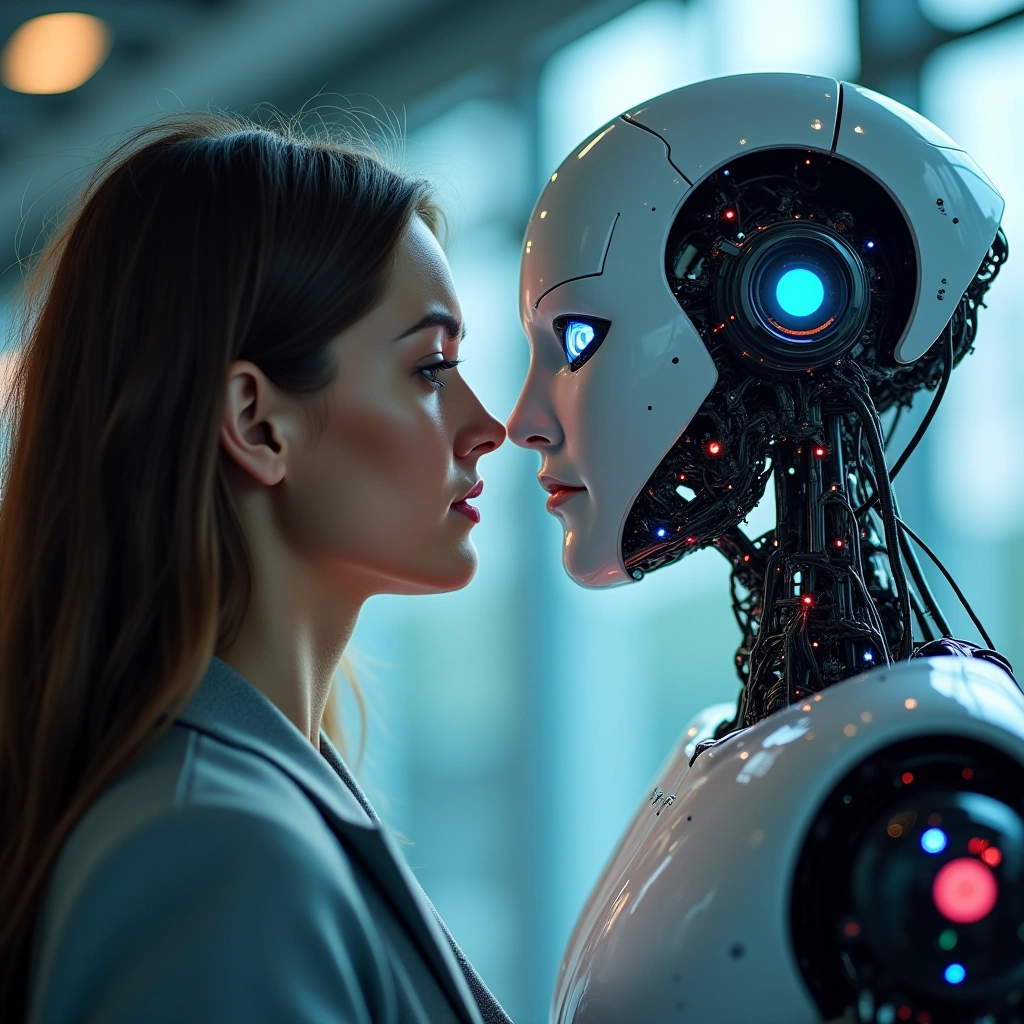
Ah, the romance between young people and AI—once a match made in tech heaven, now a breakup that could rival any teenage drama! What happened to the days of dreaming about a future where robots did our laundry and made us breakfast in bed? Instead, it seems like the more time the youth spend with AI, the more they realize it’s not the charming prince they thought it was.
So, let’s get into the nitty-gritty of why today’s youth are swiping left on AI faster than you can say ‘algorithm.’ First off, let’s address the elephant in the room: expectations versus reality. When young folks first encountered AI, they were starry-eyed, imagining a world of convenience. But alas, what they got instead was a digital assistant that barely understands their sarcasm and a chatbot that thinks “Netflix and chill” means a documentary on the history of chill.
Another point of contention? The infamous ‘creep factor.’ You see, young people are all about that privacy—after all, they’ve grown up in a world where their every online move is tracked. The moment they realized AI could potentially be a nosy roommate that knows their search history better than their best friend, the romance started to fizzle. Who wants to date someone who snoops through their private conversations, am I right?
Then there’s the issue of creativity. Youngsters today pride themselves on being unique and expressive. They want to be the next Picasso or Shakespeare, not some cookie-cutter creation of a machine. When AI started generating art and music, it was like seeing someone crash your dance party. Sure, it can do some cool moves, but where’s the soul? Where’s the passion? You can’t just churn out a hit song by feeding a computer a list of popular phrases!
And let’s not forget the dreaded “AI takeover” anxiety! Young people are already grappling with enough existential dread—climate change, student loans, and now the fear that a robot might come for their jobs? No, thank you! They’d rather take their chances with the gig economy than let a cold, calculating machine decide their fate.
In the end, it seems that the more young people use AI, the more they realize it’s not the miracle worker they hoped for. It’s like dating someone who promises to always have your back but ends up forgetting your birthday. Heartbreaking, right? So, what’s next for this tumultuous relationship? Only time will tell if we’ll see a reconciliation or if AI will quietly slip into the friend zone, forever remembered as a ‘nice but not quite right’ option in the world of technology.
So, dear friends, let’s raise a toast (or a virtual emoji) to the complexities of youth and their ever-evolving relationship with AI. Who knows? Maybe one day they’ll figure out how to make it work, or at least learn to enjoy the ride—flaws and all!