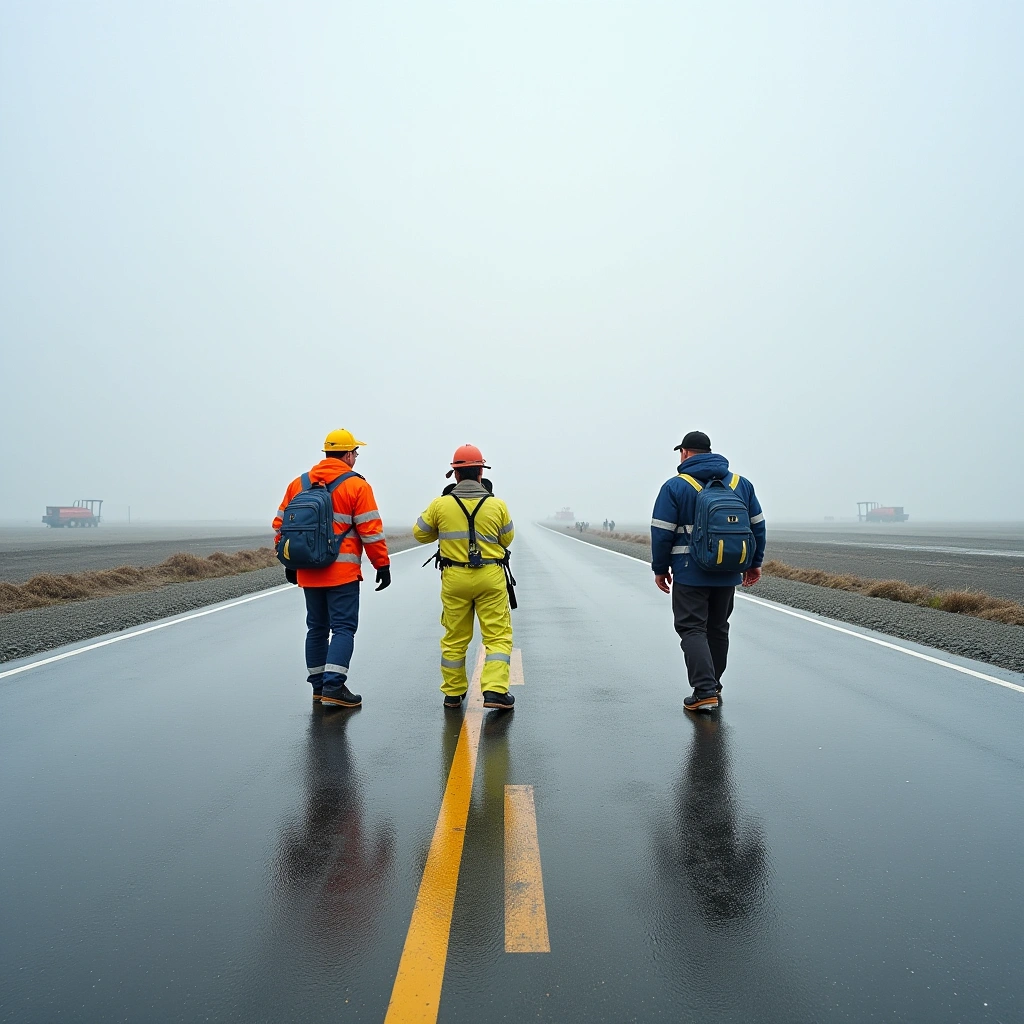
Ah, the Zabaikal’sk-Manzhouli border. It’s like the awkward middle seat on a plane—nobody really knows how to navigate it, yet everyone seems to have a story. This curious border between Russia and China is a fascinating intersection of culture, politics, and, let’s be honest, a bit of confusion. Buckle up as we take a humorous yet informative journey through this geopolitical hot potato!
First off, let’s set the scene. The Zabaikal’sk region in Russia is home to a border crossing that leads directly into Manzhouli, China. Picture this: on one side, you have the vast Siberian landscapes, cold enough to freeze your eyebrows off, and on the other side, you have a bustling Chinese town known for its shopping and vibrant culture. It’s like a tale of two cities, but with more fur hats and dumplings.
Now, you might wonder, why is this border so significant? Well, for starters, it’s one of the busiest land crossings between the two countries. Goods flow back and forth like a never-ending game of tennis—except instead of rackets, we have trucks, and instead of a ball, it’s probably something confusing like vodka or dumplings. This border is a crucial trade route, and both countries are keen on keeping the flow as smooth as possible. Just imagine a diplomatic game of ‘keep the peace’ that involves a lot of paperwork, tea, and maybe a few awkward silences.
As with any border, there are tensions. Russia and China have had their share of disagreements, but in this corner of the world, they seem to have found a way to play nice. It’s like they’ve agreed to be best frenemies, with the Zabaikal’sk-Manzhouli border as their shared playground. There are joint ventures and collaborations that make you think, “Hey, maybe world peace isn’t so far-fetched after all!”
But wait, there’s more! The cultural exchange here is nothing short of a sitcom waiting to happen. You can find Russian babushkas trading stories with Chinese merchants, while the local cats probably don’t care and just want to nap in the sun. It’s a melting pot of traditions, languages, and food that could make any foodie drool. Just imagine the fusion dishes: pierogi with a side of dumplings—who knew fusion could be so deliciously confusing?
Of course, like any border, there are also the bureaucratic hurdles. If you’ve ever tried to cross a border, you know it can be as fun as getting a root canal. Paperwork, stamps, and the occasional guard who looks like he’s just had a terrible day can really dampen the excitement. But hey, if you can survive that, you can probably conquer anything—like a family reunion or a trip to IKEA!
So, what’s the takeaway here? The Zabaikal’sk-Manzhouli border is more than just a line on a map; it’s a testament to the complexities of international relations, culture, and human connection. It’s a place where two giant countries manage to coexist, all while serving up delicious dumplings and vodka. Next time you think about borders, remember this one—it’s a quirky reminder that sometimes, the most interesting stories come from the places that seem the least likely to have them.
In conclusion, whether you’re planning a trip or just trying to impress your friends with your newfound geopolitical knowledge, the Zabaikal’sk-Manzhouli border is a goldmine of stories, culture, and a reminder that even in a world full of divisions, there’s always room for a little humor and connection. Cheers to that!