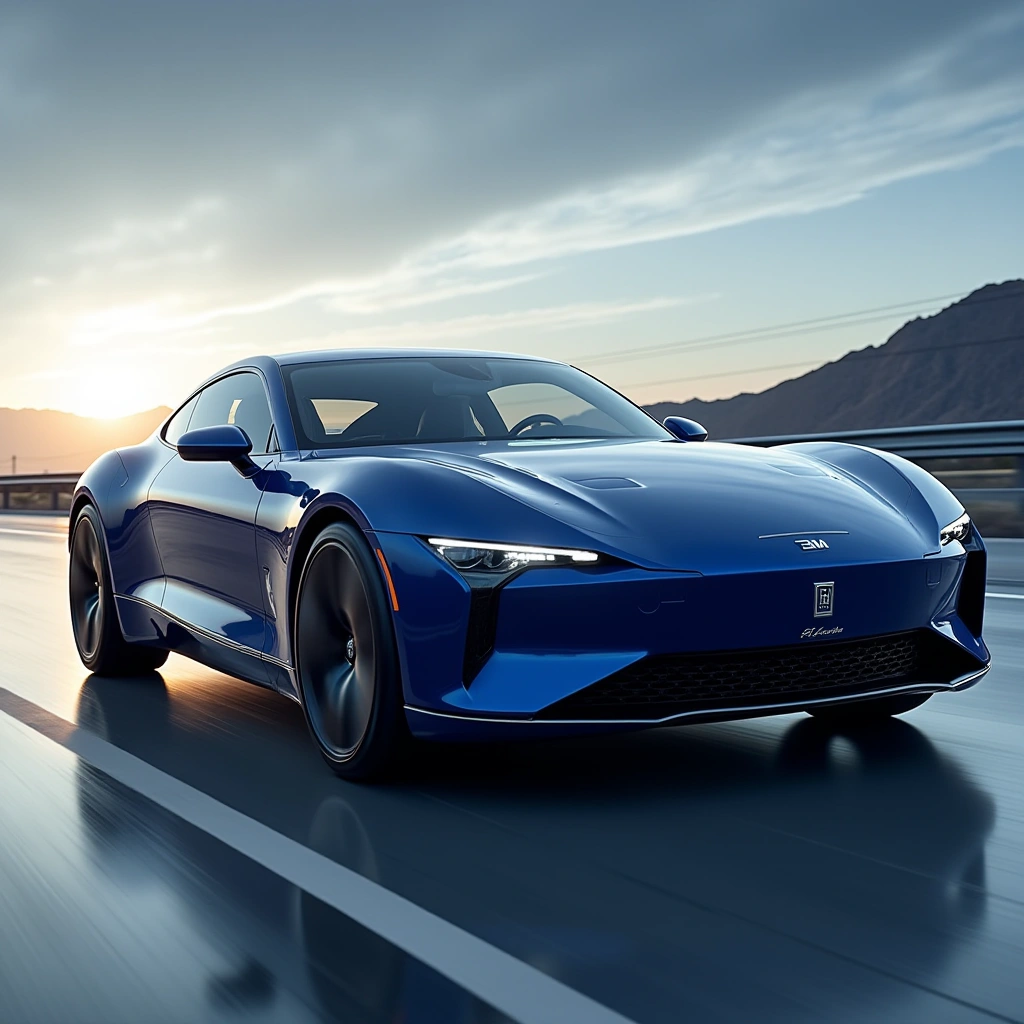
Hey there, fellow road warriors! Buckle up because we’re diving into the wild world of automotive innovation, where General Motors is revving up their engines on something called Super Cruise. And no, it’s not the latest superhero flick starring Vin Diesel, but rather their next-generation technology designed to make driving as easy as pie (and probably about as safe as eating it while driving, but let’s not go there just yet).
So, what’s the big deal? GM has decided to take a page out of humanity’s driving handbook, a book that’s been scribbled on for over 100 years. That’s right, folks! They’re training their autonomous systems on a century’s worth of driving habits—from the good, the bad, to the downright ridiculous. Ever seen someone try to parallel park while texting? Yeah, they’re training for that too!
Imagine this: every time you take a turn, change lanes, or get road rage over someone going 25 in a 50 zone, GM’s technology is watching. It’s like a digital flying squirrel, except instead of gathering nuts, it’s gathering driving data. This data is then used to make the next-gen Super Cruise smarter and better. It’s like giving AI a crash course in human errors, which sounds like the plot of a bad sci-fi movie, but here we are.
Now, let’s address the elephant in the room: can we really trust machines that have learned from our driving? I mean, we’ve all seen that one person who thinks a stop sign is more of a suggestion than a command. If these autonomous systems are learning from our collective driving wisdom, does that mean they’ll be swerving to avoid potholes while simultaneously flipping off the guy who cut them off? One can only hope!
But jokes aside, this is a monumental leap in the world of autonomous vehicles. By analyzing the quirks and nuances of human driving, GM aims to create a system that not only drives but understands the chaos of the road. It’s like a therapist for your car, helping it cope with the stress of daily commutes and road trip mishaps.
And let’s not forget the implications for safety. With a century of driving behavior as a backdrop, these AI systems can potentially predict and mitigate dangerous situations better than your average human driver. So, while I might still be yelling at the GPS for taking me down a one-way street, at least my car will be smart enough not to follow my lead into a potential disaster.
In conclusion, GM’s next-gen Super Cruise is set to revolutionize the way we think about driving. It’s a bold move that combines history, technology, and a touch of human folly. So, if you see a GM vehicle on the road acting a bit odd, just remember: it’s not malfunctioning; it’s just having a flashback to all those crazy drivers it learned from. Cheers to the future of driving, where your car might just know you better than your best friend!