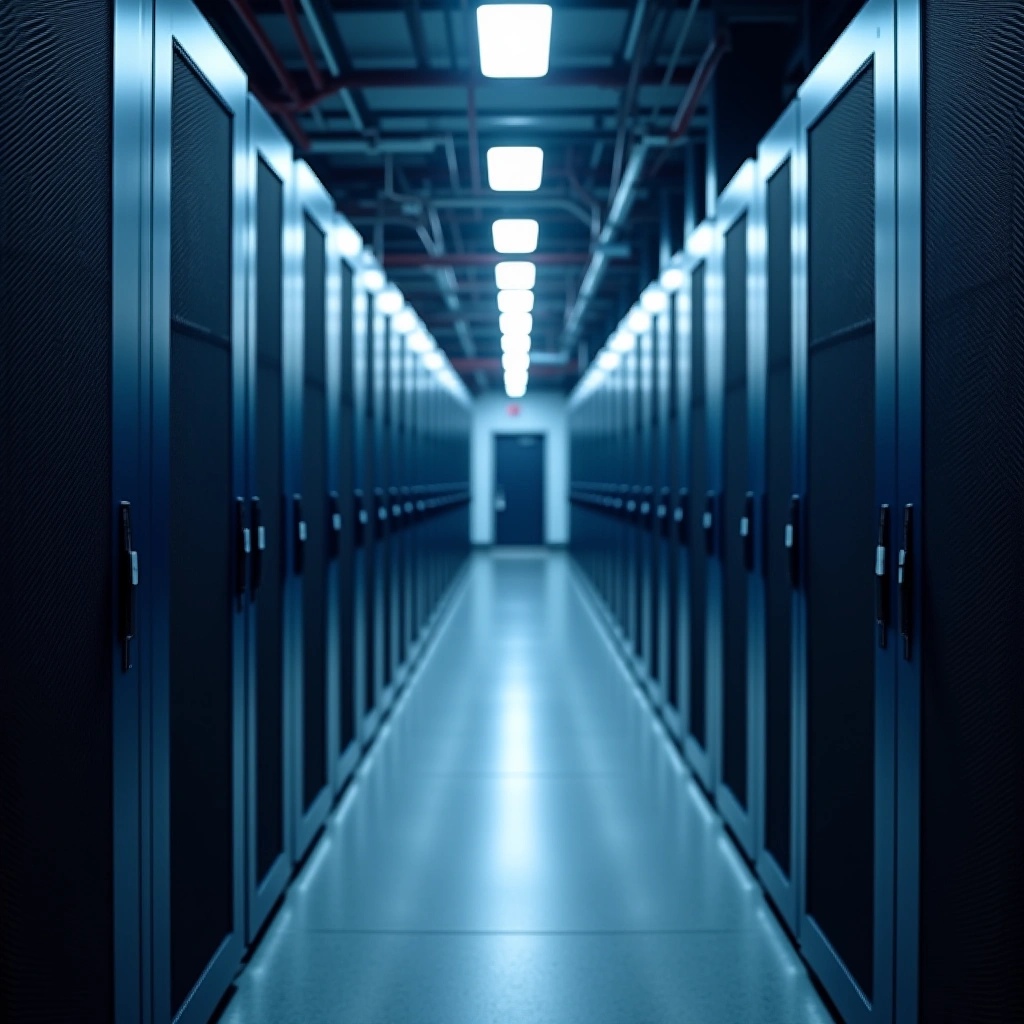
Ah, the great American data center divide! It’s not just a catchy title; it’s a phenomenon that’s more complex than your grandmother’s secret spaghetti sauce recipe. You see, while some states are practically swimming in data centers, others are as barren as a desert without Wi-Fi. So, grab your popcorn and let’s dive into the abyss of bits and bytes!
First off, let’s define what a data center is. Imagine a giant, air-conditioned warehouse filled with rows and rows of servers, blinking lights, and probably a few very confused IT professionals. These places are the backbone of the internet, storing everything from your embarrassing cat videos to sensitive financial information. But not all states are created equal when it comes to housing these digital fortresses.
Now, why is this divide so significant, you ask? Well, it’s all about geography, economics, and a sprinkle of political drama. The tech-savvy states like California, Texas, and Virginia are practically throwing data centers at each other like it’s a game of hot potato. Meanwhile, places like Wyoming and Montana are left wondering if they should just set up a lemonade stand instead.
One reason for this imbalance is the availability of resources. States with cooler climates are like the cool kids in school; they attract all the data centers because they help save on cooling costs. Nobody wants to pay for a sauna when they’re just trying to store petabytes of data, right? So, states like Oregon and Washington are basking in the glory of chilled servers while others sweat it out.
Then we have the economic incentives. Some states offer tax breaks and incentives to lure in these data-hungry companies. It’s like offering free pizza at a party to get people to show up. And who doesn’t want free pizza? On the flip side, states with stricter regulations might find themselves on the losing end of this data center showdown. It’s a classic case of “you scratch my back, I’ll scratch yours”—just replace “back” with “data centers.”
But wait, there’s more! The great American data center divide also raises questions about digital equity. You know, the idea that everyone should have equal access to the digital world. With most data centers concentrated in a few states, there’s a risk that some regions might get left behind. It’s like being the last kid picked for dodgeball, and nobody wants that!
And let’s not forget the environmental impact. Data centers consume a staggering amount of energy! So, while some states are basking in the glow of server lights, others are left to deal with the carbon footprint. The debate is as heated as a summer day in Phoenix: Should we prioritize tech growth or environmental sustainability? Spoiler alert: it’s a tricky balancing act.
So, what does the future hold for this great American data center divide? Will we see a leveling up of data center distribution across the states, or will it continue to be a tale of the haves and have-nots? Only time—and perhaps a few more tech conferences—will tell!
In conclusion, the great American data center divide is more than just a tech issue; it’s a socio-economic conundrum that impacts us all. So, the next time you’re scrolling through Reddit or binge-watching your favorite show, take a moment to appreciate the invisible world of data centers working tirelessly behind the scenes. And who knows? Maybe one day, your state will be the next data center hotspot. But until then, let’s just say, some states are living the data dream while others are still figuring out how to connect to Wi-Fi.