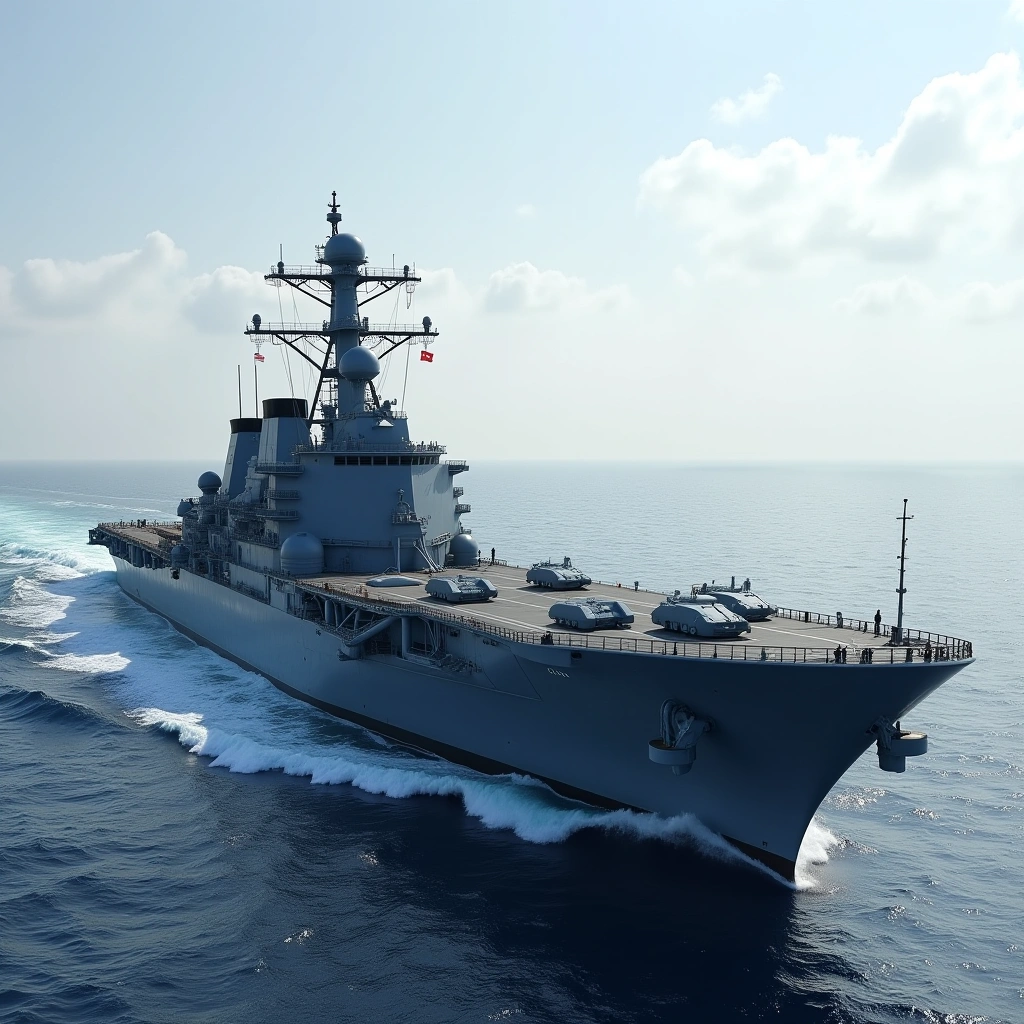
Ahoy there, fellow landlubbers and sea enthusiasts! Grab your nautical maps and get ready to set sail into the choppy waters of military strategy as we discuss the Pentagon’s latest head-scratcher: outsourcing warship design and construction to South Korea and Japan. Yes, you heard it right! It seems the U.S. Department of Defense is contemplating handing over the keys to the naval kingdom to our friends in Asia. But before we dive deep, let’s unpack this hefty box of decisions.
Now, you might be wondering, why on earth would the Pentagon consider such a move? Isn’t America the land of independence, self-sufficiency, and “we can do it ourselves” spirit? Well, my friend, it turns out that designing and building warships is a bit more complicated than assembling IKEA furniture (though we all know that’s an Olympic sport in its own right!).
First off, let’s talk about the advantages. South Korea and Japan have been no strangers to naval innovation. They’ve got shipbuilding down to a science, and their vessels are known for being both technologically advanced and aesthetically pleasing—just like that friend who always seems to have their life together. Partnering with these countries could mean a boost in efficiency and a fresh infusion of cutting-edge technology into U.S. naval fleets.
But hold on a second! Don’t wave your flags just yet. Outsourcing defense to another country raises some eyebrows. You might be thinking, isn’t this handing over the family silverware to the neighbors? What’s to stop our allies from getting a little too cozy with our secrets? It’s like letting your buddy borrow your favorite video game, only to find out they’ve never returned it and now they’ve mastered it, while you’re still stuck on level one.
Another concern is the job market. We’re talking about a massive industry here! Will American shipbuilders be left out in the cold while their Asian counterparts take all the glory (and the jobs)? It’s a classic case of “will I still have a job after this?” And just like that awkward family dinner where Uncle Bob brings up politics, it could get messy.
Then there’s the question of military readiness. Will outsourcing mean longer lead times for ship production? Imagine waiting for your pizza delivery, and it takes an extra 30 minutes because it’s being prepared halfway across the world. And let’s face it, in times of conflict, we need those ships ready to sail, not stuck in a shipping container somewhere on the Pacific Ocean.
So, where do we go from here? The Pentagon’s contemplation could lead to a new chapter in military strategy, one that embraces international cooperation—while also walking a tightrope of national security. It’s a tricky balance, but hey, if anyone can pull it off, it’s the folks at the Pentagon, right? Just remember: when in doubt, keep your allies close, but always keep your warships closer.
In conclusion, outsourcing warship design might sound like a good idea on paper, filled with promise and potential, but as we all know, reality often has other plans. Whether this strategic gamble pays off or sinks like a stone remains to be seen. So, let’s keep an eye on the horizon, shall we? And who knows, maybe our next naval fleet will come with a side of kimchi and sushi!