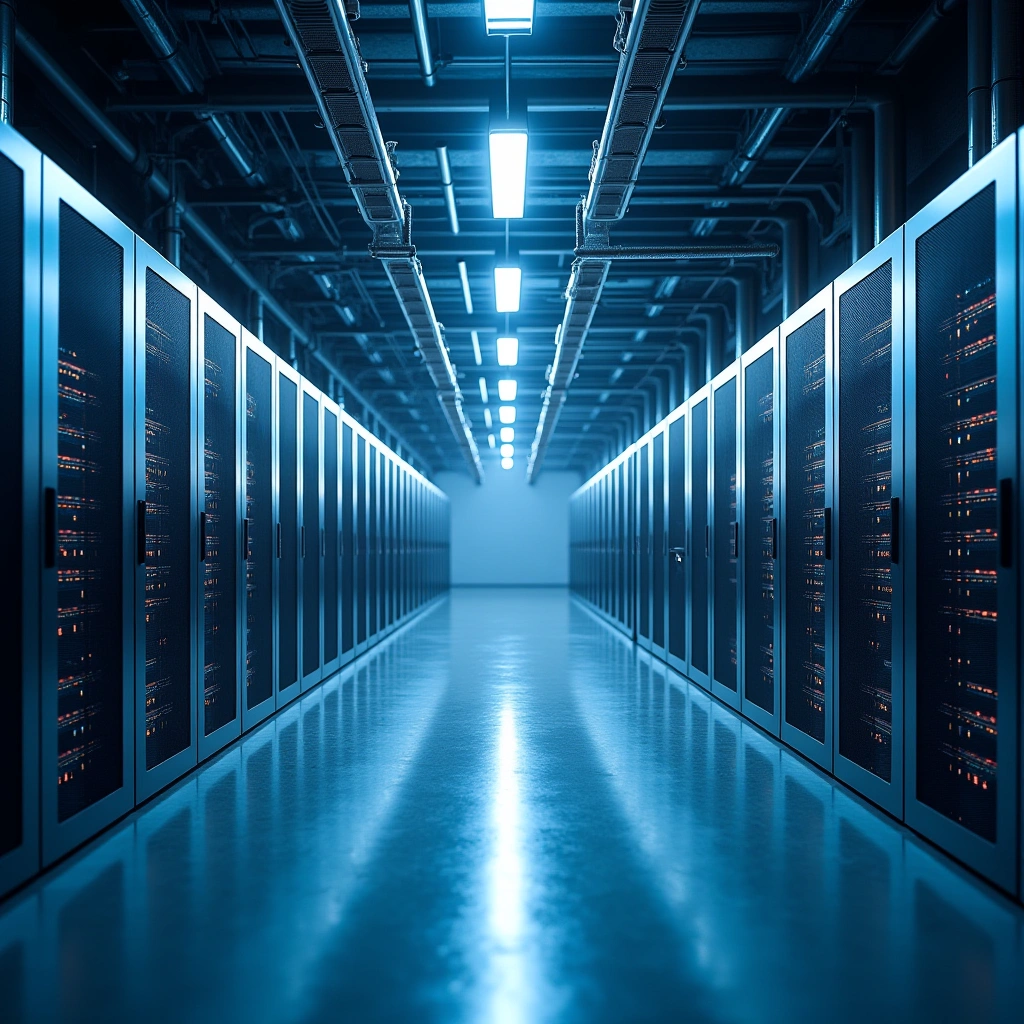
Ah, Utah! Known for its stunning landscapes, Mormons, and now, a massive hyperscale data center project that’s about to make the entire state feel a little… drained. Yes, folks, you read that right! This new data center is gearing up to generate and consume more power than the entire state of Utah. Talk about a shocking revelation!
Let’s break this down: hyperscale data centers are like the hulking giants of the tech world. They’re not just your average server rooms filled with dusty old computers; they’re sprawling complexes that house thousands of servers and require enough electricity to power a small nation. In this case, that nation is Utah. Who knew that in the battle of tech vs. nature, nature might just be getting bulldozed?
Now, before you grab your pitchforks and start marching to the nearest tech headquarters, let’s consider the benefits. Hyperscale data centers are crucial for the digital age. They store our cat videos, house our social media accounts, and keep the internet running smoothly. Without them, we’d be back to carrier pigeons and smoke signals. But at what cost?
This particular project is expected to create thousands of jobs, which is fantastic news for the local economy. Think of all the tech-savvy folks who will finally be able to afford that fancy sandwich shop right around the corner. But here’s the kicker: how much energy are we willing to sacrifice for those jobs? We’re talking about the same amount of power that could light up every Christmas tree in Utah for the next millennium!
Environmentalists are understandably buzzing like a bunch of angry bees about this. After all, in a world where climate change is knocking at our door, how do we justify a project that guzzles power like a frat boy at a kegger? Sure, the tech industry is often painted as the hero of innovation, but sometimes it feels like it’s wearing a cape made of fossil fuels.
Let’s also not forget the infrastructure. All that power doesn’t magically appear out of thin air. You’ve got to set up the grids, the pipelines, the whatever-else-is-needed to keep those servers humming along. And when the power demands skyrocket, who do you think gets left out in the cold? Yep, the average Joe just trying to keep the lights on at home.
So, what’s the final verdict? Are we witnessing the dawn of a new technological era, or are we just setting ourselves up for a power crisis of epic proportions? One thing’s for sure: if this hyperscale data center project goes through, Utah might just become the hottest new tech haven—or perhaps the site of an energy apocalypse.
In conclusion, while embracing innovation and job creation is undoubtedly important, we need to ensure we’re not bulldozing over Mother Earth in the process. So here’s to hoping that this project finds a sustainable path forward, one that doesn’t leave the rest of us in the dark!