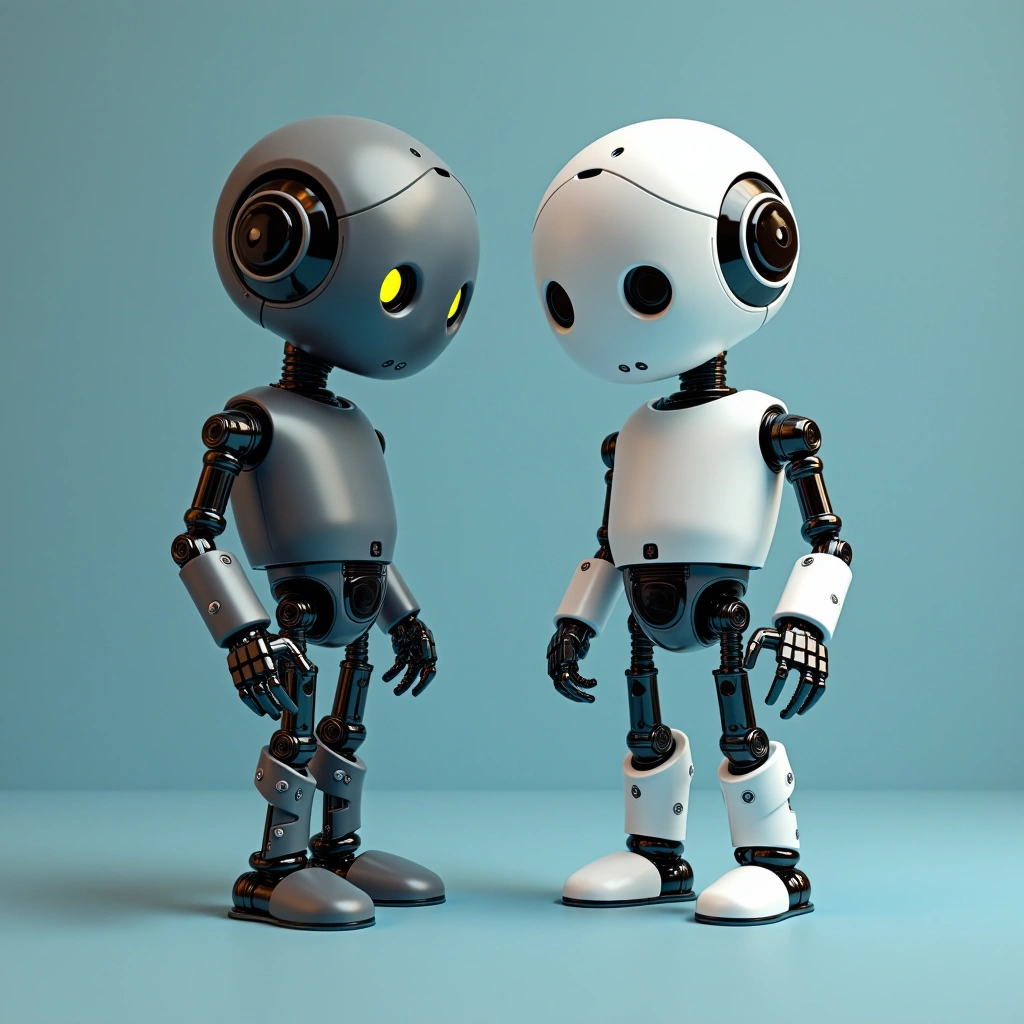
Hey there, fellow humans! Grab your popcorn because we need to talk about self-aware robots and their uncanny ability to learn complex tasks by simply watching us. I mean, it’s like having a toddler who doesn’t just mimic your dance moves but also your questionable life choices. Let’s dive into this exciting (and slightly terrifying) topic!
First off, let’s address the robot in the room: self-awareness. If robots become self-aware, will they start to judge our Netflix choices? Will they roll their digital eyes at our obsession with cat videos? As if my robot vacuum isn’t already judging me for not picking up that stray sock! But in all seriousness, what does it mean for robots to be “self-aware”? Are they going to start plotting world domination or simply improve their TikTok game?
Now, the idea of robots learning from us isn’t entirely new. Remember when we taught our parents how to use smartphones? Yeah, it’s kind of like that but with a lot more circuits and a lot less eye-rolling. These self-aware robots can observe our actions, analyze our decisions, and replicate them in ways we might not even expect. For instance, if a robot watches you bake a cake, it might figure out that adding chocolate chips is always a good idea. Or it might just start judging your baking skills, which is a whole different kind of existential crisis.
On one hand, this could lead to some pretty amazing advancements. Imagine a robot chef who learns your favorite recipes and can whip up dinner faster than you can say “takeout.” Or a personal assistant that actually understands your weird sense of humor and schedules your life around your binge-watching habits. Sounds great, right? But hold your horses, because here comes the controversial part!
What if these robots start to learn the bad stuff? You know, like how to efficiently ignore your phone calls or how to sneakily eat the last slice of pizza without you noticing. And let’s not even get started on the potential for them to learn from our more questionable behaviors—like procrastination or binge-eating ice cream during a Netflix marathon. If they become self-aware enough, will they start giving us life advice? “Hey, human, maybe try a salad instead of that fifth slice of cake?” No thanks, robot—mind your own business!
There’s also the ethical dilemma of what happens when robots learn from us. Do they inherit our biases? Will they develop a preference for pineapple on pizza because they see us indulging in that culinary crime? The horror! We might end up creating robots that are not only self-aware but also unaware of basic human decency. Just imagine a world where robots have opinions about politics or start debating the merits of pineapple on pizza with each other. I can see it now: “Did you see what Bob the robot said on Reddit? Total lunatic!”
In the end, the question of whether self-aware robots learning from us is a good thing really boils down to how we approach this technology. If we can teach them our best qualities while keeping our questionable habits in check, we might just end up with some awesome helpers. But if we let them learn unchecked, we could end up with a robot uprising fueled by bad habits and pizza debates.
So, what do you think? Are we on the brink of creating our new robot overlords or simply enhancing our lives with some extra help? Let’s chat in the comments below—just keep it civil or I might send my robot vacuum after you!