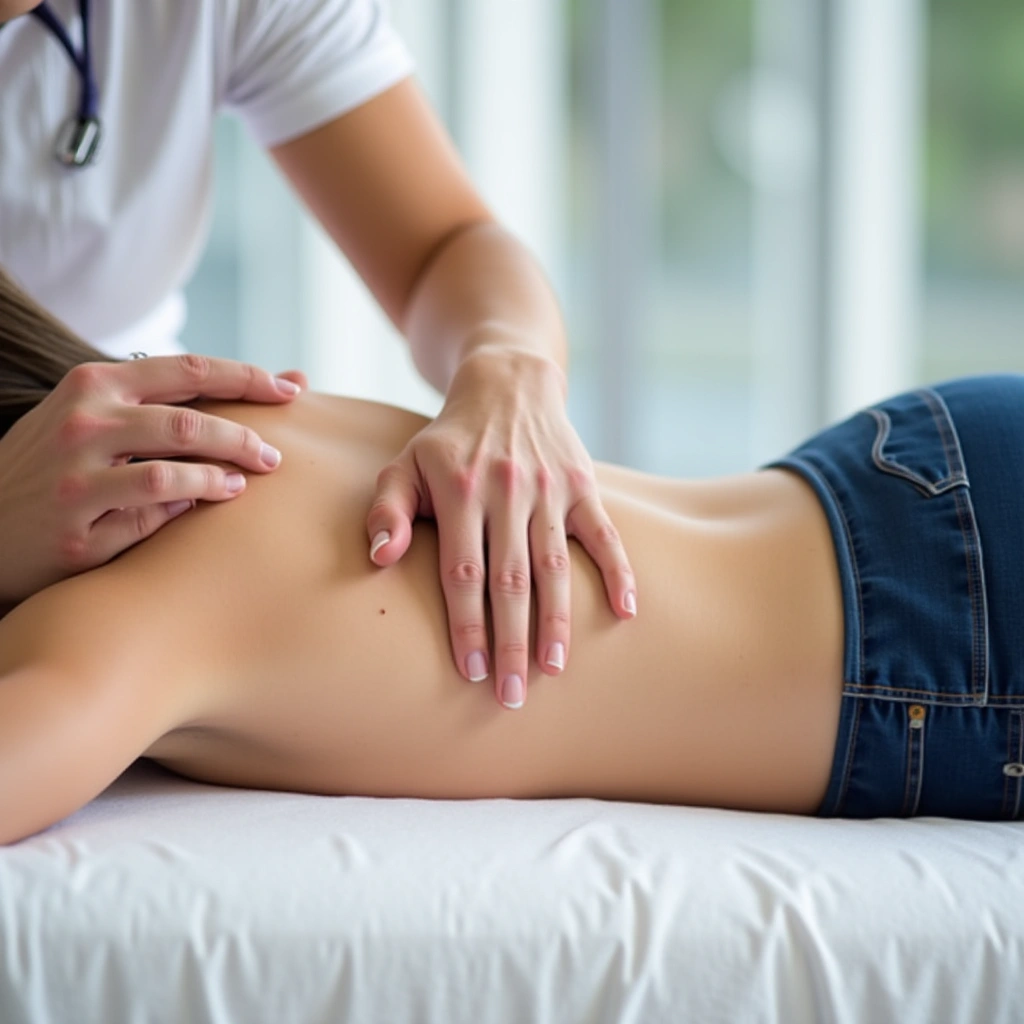
Hey there, fellow health enthusiasts! So, let’s talk about something that might make you squirm a little: catheters. Yes, those little tubes that can make even the toughest of us feel like we’ve just walked into an awkward family reunion. But fear not! There’s a surprisingly soothing solution that involves a little bit of kneading and a whole lot of skill: massage therapy.
Now, before you roll your eyes and think, ‘What does a massage have to do with my catheter?’ let’s dive into the nitty-gritty of how a skillful massage can actually help in catheter adjustment. Spoiler alert: it involves a lot more than just fluffing your pillows and lighting scented candles!
Understanding Catheters
First things first, let’s get on the same page about catheters. These handy little devices are often used in medical settings for patients who can’t urinate on their own or need to drain their bladder. While they serve a crucial purpose, they can also cause discomfort, irritation, and let’s face it, a whole lot of awkwardness. Nobody wants to be that person in the hospital room who’s constantly fidgeting and adjusting their catheter!
Enter Massage Therapy
Now, here’s where things get interesting. Massage therapy isn’t just for fancy spa days or trying to impress your date. When done by a qualified professional, it can help relax the muscles around the pelvic region, improve circulation, and promote overall comfort. Imagine your body being a well-oiled machine and a massage is like the mechanic that gives it a good tune-up—minus the greasy hands and questionable small talk.
How Massage Helps with Catheter Adjustment
1. Muscle Relaxation: Tension in the pelvic floor muscles can make catheter adjustment feel like trying to fit a square peg in a round hole. A skilled massage therapist can help relax these muscles, making the process smoother and more comfortable.
2. Improved Circulation: Good blood flow is essential for healing and comfort. A massage can increase blood circulation to the area, which may help alleviate some of the discomfort associated with catheter use.
3. Stress Relief: Let’s face it, any medical procedure can be stressful. Massage therapy can help reduce anxiety and stress levels, allowing you to approach catheter adjustments with a calmer mindset. And who doesn’t want to be the zen master of their own medical journey?
4. Communication with Healthcare Providers: Massage therapists often work closely with healthcare professionals. They can provide feedback on how the body responds to different adjustments and offer insights that might improve your overall experience.
Finding the Right Massage Therapist
Alright, so you’re sold on the idea of using massage therapy for catheter adjustments. But how do you find the right therapist? Look for someone who specializes in pelvic health and has experience working with patients who use catheters. A good therapist should have a sense of humor about the whole situation—because let’s be real, if you can’t laugh about it, you’re doing it wrong!
Conclusion: A Little Massage Goes a Long Way
In conclusion, while it might sound unconventional, the benefits of massage therapy in the context of catheter adjustment can’t be ignored. Who knew that a little rub-down could lead to such a significant improvement in comfort and quality of life? So the next time you find yourself facing the dreaded catheter adjustment, consider booking a massage. Your body (and your sanity) will thank you!
Now, if only someone could figure out how to make those hospital gowns less embarrassing, we’d be golden!