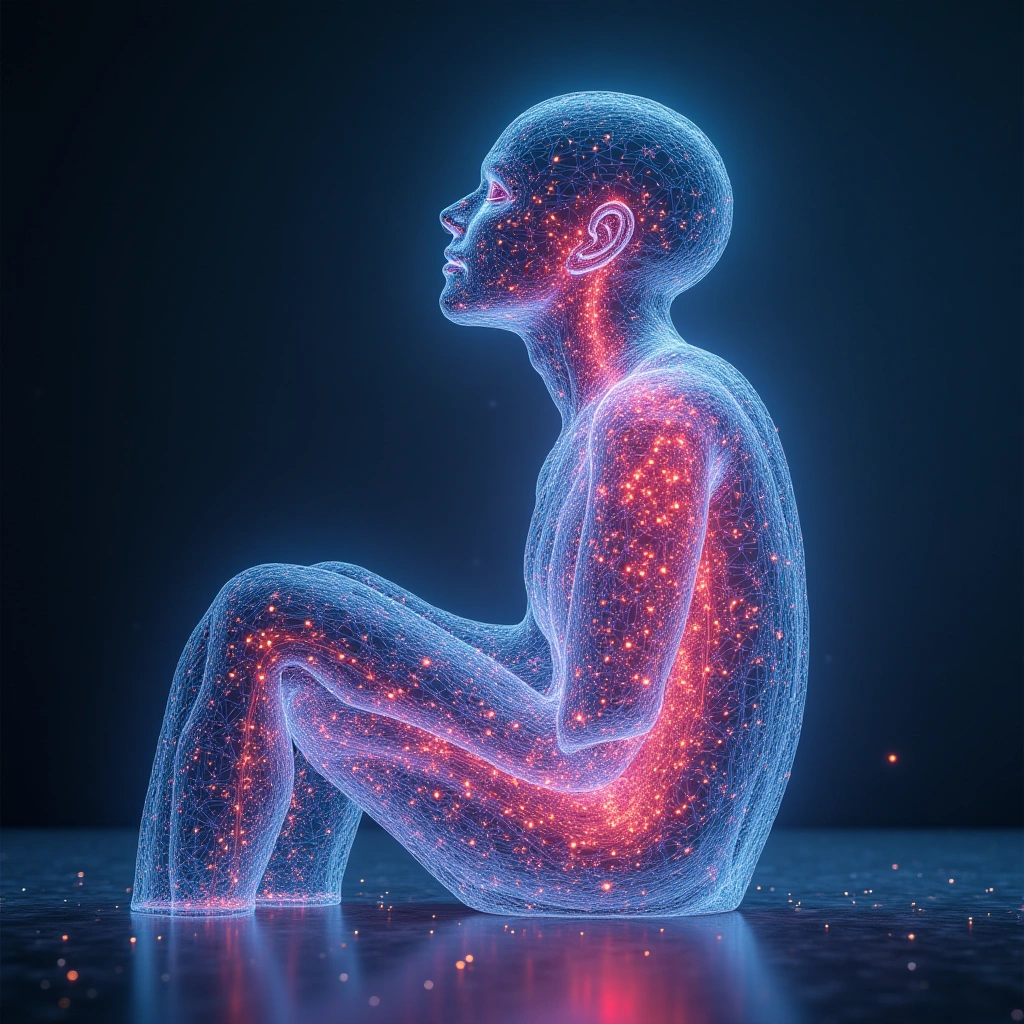
Hey there, curious minds! Today, we’re diving into a rather fascinating and somewhat mind-bending topic: what happens to a paralyzed body after taking a microdose of psilocybin? Grab your favorite snack and let’s get into it, shall we?
First things first, let’s clarify what psilocybin is. For those who might not know, psilocybin is the psychedelic compound found in magic mushrooms. Now, you might be wondering, ‘Isn’t that stuff illegal?’ Well, yes and no, my friend! While it’s still classified as a Schedule I drug in many places, some areas are beginning to embrace its therapeutic potential faster than you can say ‘peace, love, and microdosing.’
Microdosing involves taking a sub-threshold dose of a psychedelic, which means it’s not enough to send you on a trip to the land of unicorns and rainbows. Instead, many claim it helps boost creativity, enhance mood, and promote a sense of well-being. But what happens when someone who’s paralyzed decides to partake in this little experiment?
Let’s talk about paralysis for a second. Depending on the type and severity, paralysis can severely limit mobility and sensory perception. In some cases, individuals may have full cognitive function but find themselves in bodies that don’t cooperate. It’s a cruel twist of fate, right? So, if someone with paralysis takes a microdose, are they going to suddenly sprout legs like a magic bean plant? Spoiler alert: Not quite!
Research on psilocybin is still in its infancy, and its effects on paralyzed bodies haven’t been the focus of many studies. However, one can speculate (and you know we love a good speculation session) that the experience could have more to do with perception and consciousness than physical movement. Imagine feeling a wave of euphoria wash over you, even if your legs are still as still as a statue. It’s like your mind is saying, ‘Hey, buddy! I might be stuck here, but let’s throw a party in the brain!’
Some would argue that the effects of psilocybin could lead to an enhanced sense of awareness, which might allow individuals to reconnect with their bodies in a way that might not have been possible before. Picture this: a person who’s paralyzed might not be able to move their arms, but they could experience a heightened sense of connection with their body, leading to a different kind of liberation. Who needs legs when you can have an existential revelation?
Of course, there are important caveats to consider. The setting, dosage, and individual mindset all play a critical role in a psychedelic experience. It’s not all unicorns and rainbows; some could potentially experience anxiety or discomfort, especially if expectations are running high. So, if you’re considering microdosing, it’s wise to take precautions and consult a health professional, unless you want to end up on a wild emotional rollercoaster without a safety harness.
In conclusion, while the effects of psilocybin on paralyzed bodies remain largely unexplored, the potential for enhancing consciousness and connection is an exciting avenue for future research. Perhaps one day we’ll unlock the secrets of the universe and find a way for everyone to dance like nobody’s watching, regardless of their physical limitations. Until then, we can only speculate and keep our minds open to the possibilities!
So what do you think? Should we dive deeper into the world of psychedelics and paralysis? Or are we just a bunch of dreamers waiting for our next adventure? Let me know in the comments!