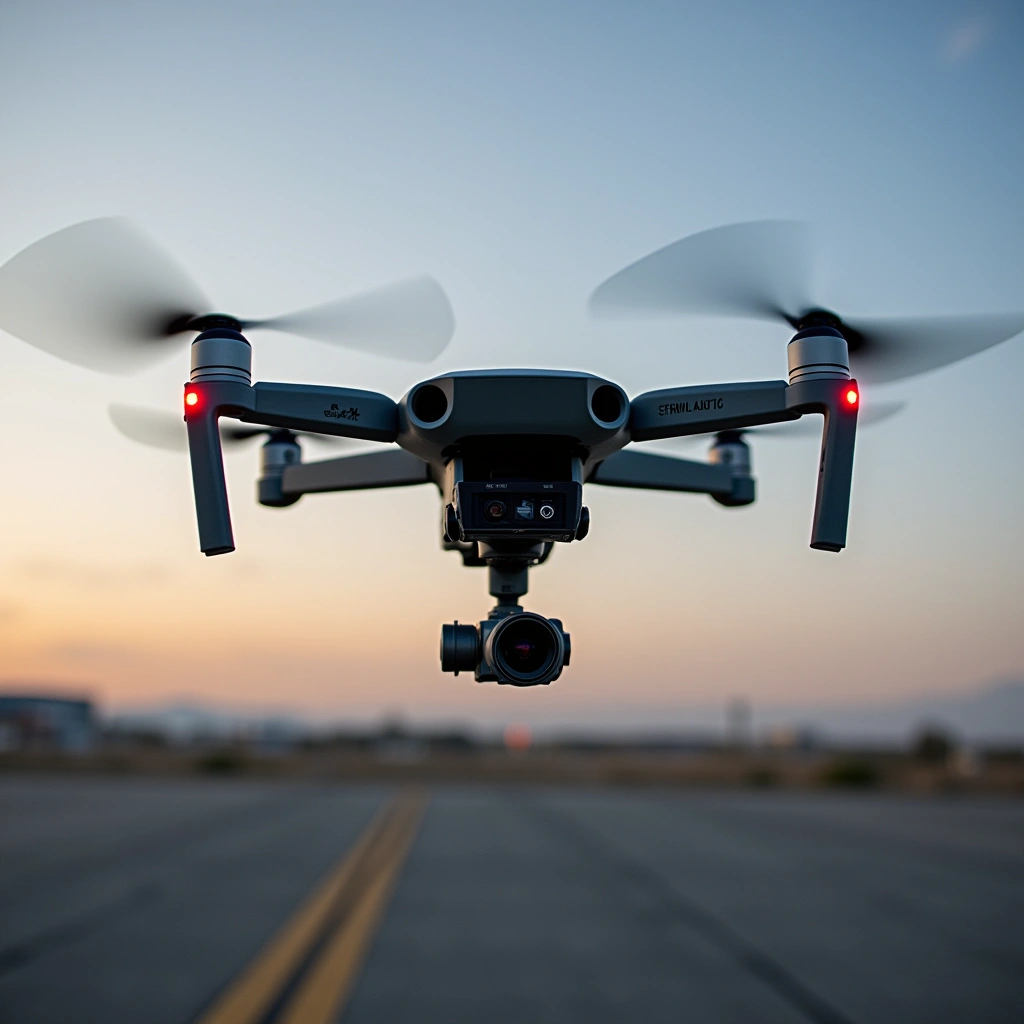
Alright, let’s dive into the wild world of military spending! The Pentagon has requested a staggering $54 billion to fund drone programs. Yes, you read that right—$54 billion! That’s more than the annual defense budgets of most nations. I mean, who knew flying robots could cost so much? You’d think they were made of gold and unicorn tears!
Now, before you start picturing a fleet of drones zipping around like the latest action movie, let’s break this down. Why in the world does the Pentagon need so much cash for these aerial gadgets? Well, drones have become the Swiss Army knives of modern warfare. They’re not just for surveillance anymore; they’re doing everything from delivering snacks (okay, maybe not snacks) to precision strikes. Talk about multitasking!
But here’s the kicker: while the U.S. is shelling out more dough than some countries can even dream of for their entire military, other nations are looking at this and saying, “Wow, we can probably buy a couple of tanks or, you know, a whole fleet of drones if we play our cards right.” It’s like the U.S. is that one friend who shows up to a potluck with a five-course gourmet meal while everyone else brought chips and dip.
Now, let’s not kid ourselves; the argument for such extravagant spending is often wrapped in a shiny bow of national security. The Pentagon claims that having advanced drone technology keeps us safe from threats lurking in the shadows. But it raises an eyebrow or two. Are we really in such dire need of a drone army that we need to outspend entire nations? Or are we just flexing our military muscles like a teenager in a gym?
And here’s where it gets a bit spicy: some critics argue that this kind of spending is out of touch with reality. Imagine if that $54 billion was funneled into education, healthcare, or even infrastructure! I’m no economist, but I think a few roads and schools could use some of that cash. Instead, we’re sending robots into the sky to watch over… well, us? It’s like being babysat by a drone that’s more interested in following you around than actually helping.
So, what’s the takeaway here? The Pentagon’s drone budget is a reflection of the times we live in—where technology and warfare are intertwined like an awkward couple at a dance. But it also raises serious questions about priorities, spending, and what we value as a society. Will we continue to throw billions into military tech while other pressing issues go ignored? Or will we finally decide to invest in our people instead of just our machines?
In the end, whether you’re a fan of drones or think they belong in a sci-fi movie, one thing is for sure: $54 billion is a lot of cash to fly around. Here’s hoping that money doesn’t just vanish into the ether like my hopes of winning the lottery. Cheers!