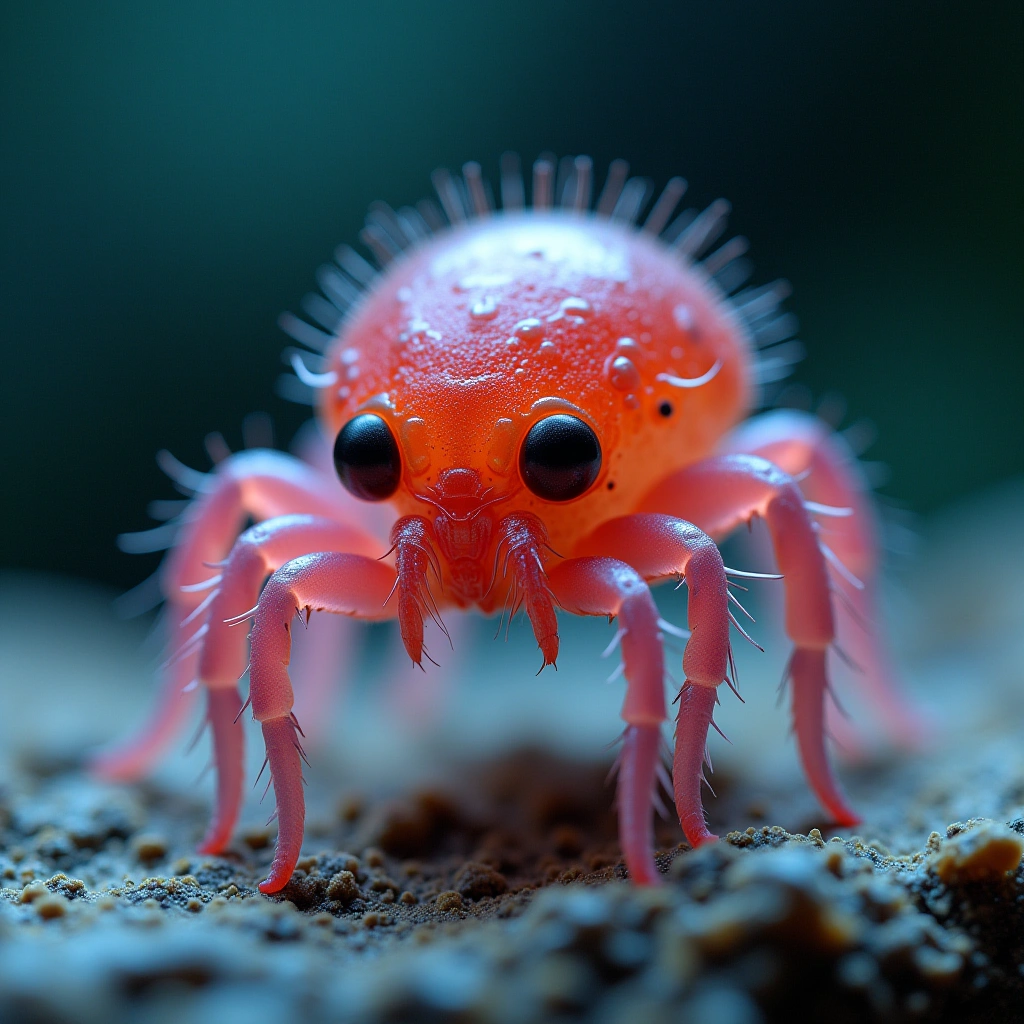
Hey there, fellow science enthusiasts! Buckle up, because we’re diving into the microscopic world where drama unfolds on a scale you wouldn’t believe. Today, we’re focusing on a little-known predator that could probably take out a whole neighborhood of paramecia without breaking a sweat: the Lacrymaria Olor!
Now, let’s set the stage. Imagine a tiny creature, barely visible to the naked eye, lurking in a drop of pond water. It’s not just swimming around, minding its own business; oh no, this unicellular superstar has a taste for blood—or rather, paramecium. Yup, you heard that right! Lacrymaria Olor is the kind of organism that doesn’t just play with its food. It devours it whole! Talk about having a killer instinct.
So, what exactly is this Lacrymaria Olor? It sounds like a fancy dish you’d order in a posh restaurant, but it’s actually a type of ciliate, a group of protozoans characterized by their hair-like structures called cilia. These little guys use their cilia not just for swimming, but also for catching prey. It’s like having a built-in fishing net, but instead of fish, they’re snagging paramecium. And trust me, that’s a buffet they don’t want to miss!
Now, let’s get into the nitty-gritty of how this epic predation goes down. Lacrymaria Olor approaches its unsuspecting paramecium with the stealth of a ninja. With a flick of its cilia, it ensnares its prey. It’s like watching a nature documentary, only this one would probably get an R rating for the gruesome details. Once the paramecium is caught, Lacrymaria Olor doesn’t waste any time. It’s a quick meal—one moment you’re swimming around, and the next, you’re on the menu. Talk about a short life expectancy!
But what’s the point of all this? Well, these unicellular predators play a crucial role in their ecosystems. They help keep populations of paramecium in check, which in turn affects the entire food web. It’s a classic case of survival of the fittest, but with a twist: the fittest are often the ones who can eat the most!
Now, you might be wondering: why should we care about a creature that’s smaller than a speck of dust? Well, understanding organisms like Lacrymaria Olor is vital for grasping the bigger picture of our ecosystems. They remind us that even in the tiniest corners of our world, there’s a lot of action happening. It’s like a never-ending game of predator and prey—but with a lot more drama and way less commercial breaks.
In conclusion, Lacrymaria Olor is nothing short of a microscopic gladiator, ready to take down its paramecium opponents with style and efficiency. So, the next time you’re sipping on some pond water (because who doesn’t do that, right?), remember that there’s a fierce battle for survival happening right beneath the surface. And who knows, you might just be inspired to become the Lacrymaria Olor of your own life—hunting down your goals with the same voracity!
Stay curious, stay hungry, and keep your eyes peeled for the wonders of the microscopic world!