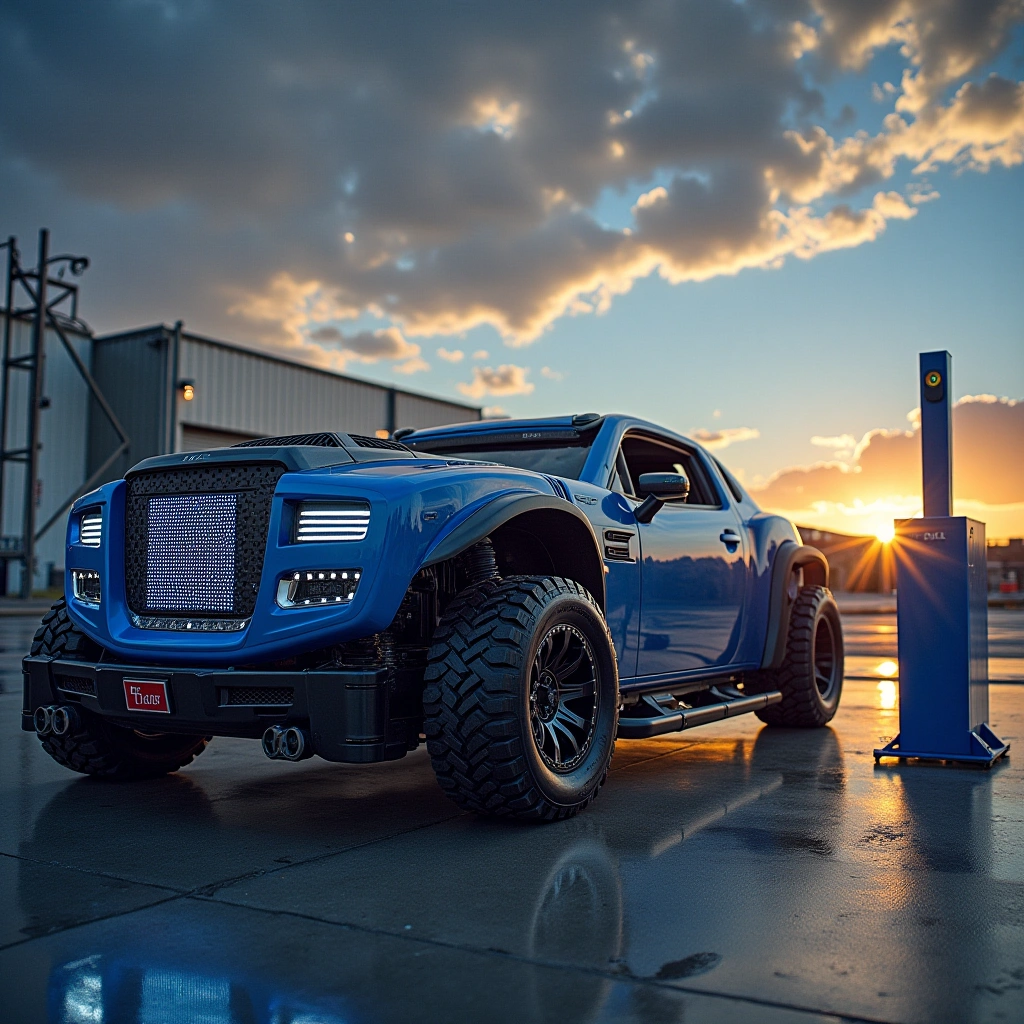
So, the Pentagon is throwing a curveball into the automotive industry—suggesting that giants like General Motors and Ford get their hands dirty with weapons and bombs. I mean, who wouldn’t want to trade in their Ford F-150 for a Ford F-150… with a missile launcher? Just imagine the conversations at the BBQ!
This isn’t just a wild fantasy; it’s a reflection of the military’s evolving needs and the auto industry’s capabilities. The Pentagon is looking for ways to innovate and cut costs, and what better way than to recruit the seasoned pros of mass production? After all, if they can churn out trucks and sedans at lightning speed, why not a few drones and artillery shells?
Now, before you start picturing your local car dealership doubling as a weapons factory, let’s unpack what this really means. The defense sector is facing a constant challenge of modernization. With threats evolving faster than a teenager’s mood swings, the military needs to keep pace. Enter GM and Ford, two companies that have been at the forefront of American manufacturing for over a century. If they can pivot to build electric vehicles, surely they can pivot to build some cutting-edge military tech, right?
But hold your horses! This idea is not without its share of controversy. There are plenty of folks who cringe at the thought of car manufacturers dabbling in the dark arts of weaponry. I mean, can you imagine a commercial where they advertise, “Drive off the lot in a brand new Chevy Bombadier—now with 50% more explosives”? Yikes!
Moreover, there are ethical considerations to chew on. The auto industry is already grappling with its own set of moral dilemmas—like how to reduce carbon emissions while still selling cars like they’re hotcakes. Now, they’re being asked to produce items that go boom? It’s a slippery slope, my friends. Sure, we love the thrill of a good action movie, but do we really want our favorite car brands to be sponsors of destruction?
Let’s not forget the economic implications either. As the world shifts towards greener technologies, will the public really be on board with the idea of their beloved Ford Mustang also being a military-grade vehicle? There’s a fine line between patriotism and profit, and it seems like this plan could be tiptoeing across it.
But let’s get real for a moment. The collaboration of auto manufacturers with the military isn’t entirely new. During World War II, automakers switched gears (pun intended) to support the war effort—building everything from tanks to aircraft. So, is history repeating itself? Or is this just a desperate attempt to keep the industry alive in a time when EVs are dominating the market?
In conclusion, whether you’re pro or con about the Pentagon’s latest proposal, one thing is for sure: it’s going to spark some heated discussions. And who knows? Maybe the next time you’re at your local Ford dealership, you’ll be able to test drive a tank alongside that shiny new SUV. Just remember to buckle up—because chaos is about to hit the road!