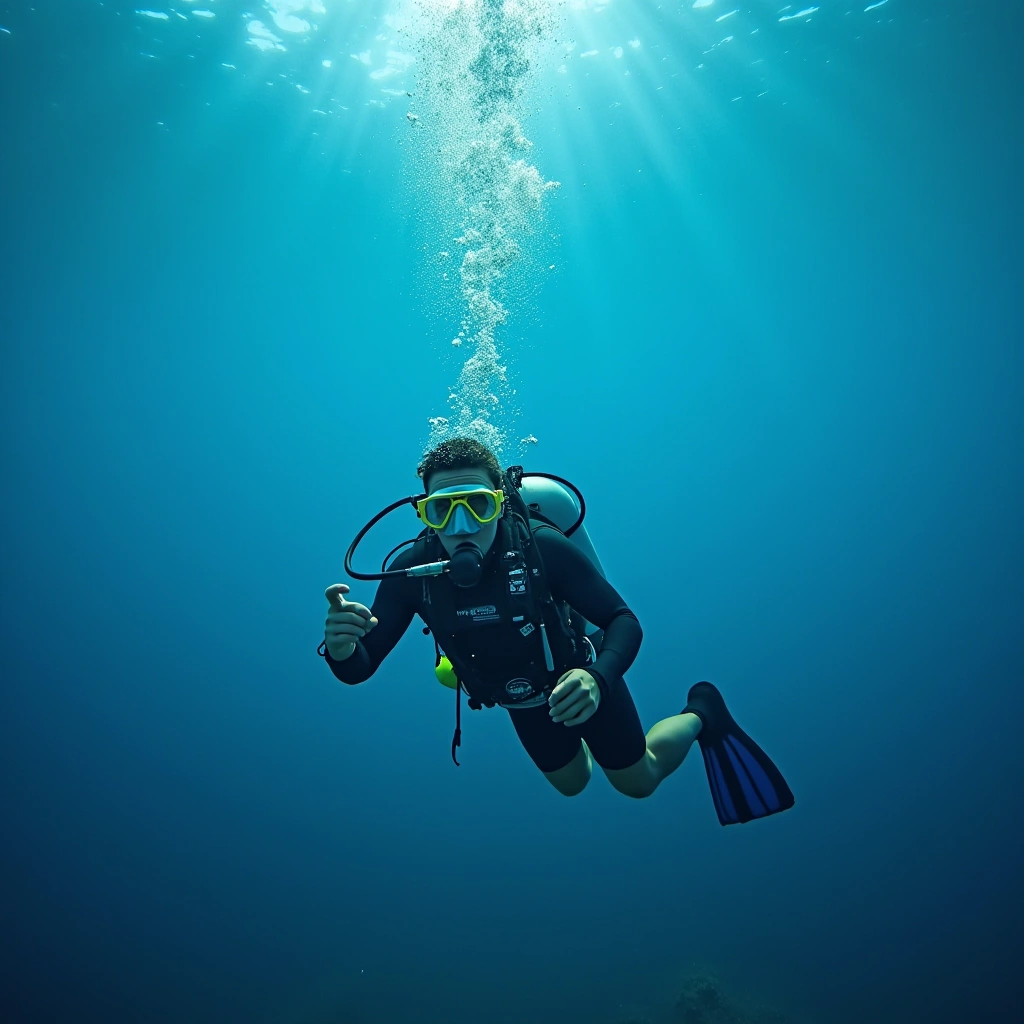
Ahoy, my fellow landlubbers! Ever heard of saturation diving? No, it’s not the latest dance craze sweeping TikTok, although it does involve some serious moves—underwater, of course! Imagine living in a metal capsule at the bottom of the ocean for a month, working like a fish, and then just popping up like a cork when you’re done. Sounds wild, right? Buckle up, because we’re diving deep into this fascinating world!
First off, let’s clarify what saturation diving really means. It’s not just a fancy name for a long swim; it’s a method that allows divers to stay underwater for extended periods without having to deal with the pesky problem of decompression sickness (or “the bends,” if you want to sound cool). Basically, divers live in a pressurized environment that keeps them at the same pressure as the deep sea. This means they can work for weeks on end without surfacing. Who needs air anyway?
Now, you might be thinking, “How do they eat? Do they have a seaweed buffet down there?” Good question! Saturation divers are usually housed in a habitat called a “diving bell” or “saturation system,” which is a fancy way of saying they’re in a submarine-like home. This cozy underwater condo comes equipped with everything they need: food, communication systems, and a bunch of gadgets to make them feel like James Bond. Although, I can guarantee there are no martinis shaken, not stirred, in this underwater lair!
But wait, it gets better! These divers can do some serious work down there—think underwater welding, research, and maintenance of oil rigs. They’re like the superheroes of the ocean, saving the day one dive at a time. Just don’t expect them to wear capes; those don’t do well underwater!
Now, while the idea of living underwater for a month sounds like a dream come true for some (hello, Aquaman enthusiasts!), it does come with its challenges. For starters, isolation can be a real bummer. Imagine being stuck with the same group of people for weeks. That’s right, no escape from your buddy who sings show tunes at 2 AM. The psychological aspect of saturation diving is no joke, and divers often have to engage in activities to keep their sanity intact—like playing cards, watching movies, or, dare I say, debating the merits of pineapple on pizza? (A highly controversial topic, indeed!)
And let’s not forget the physical toll. While divers are living the dream, they’re also subjected to the realities of underwater life. The pressure can mess with their bodies, and they have to be careful about how they breathe. It’s like a high-stakes game of Jenga: one wrong move and you’re in for a world of hurt. That’s why training for saturation diving is intense—think boot camp meets underwater obstacle course.
So, why do all of this, you ask? Well, for the thrill-seekers and researchers, it’s all about uncovering the mysteries of the ocean and making sure we can keep those oil rigs running smoothly. Plus, who doesn’t want to be able to say they’ve lived at the bottom of the ocean for a month? It’s the ultimate bragging right!
In conclusion, saturation diving isn’t just an adventure; it’s an exploration of human endurance and the limits we can push ourselves to—while simultaneously avoiding the awkwardness of small talk at the water cooler. So, next time you find yourself at a party, and someone mentions saturation diving, just nod knowingly and smile, because now you’re practically an expert!