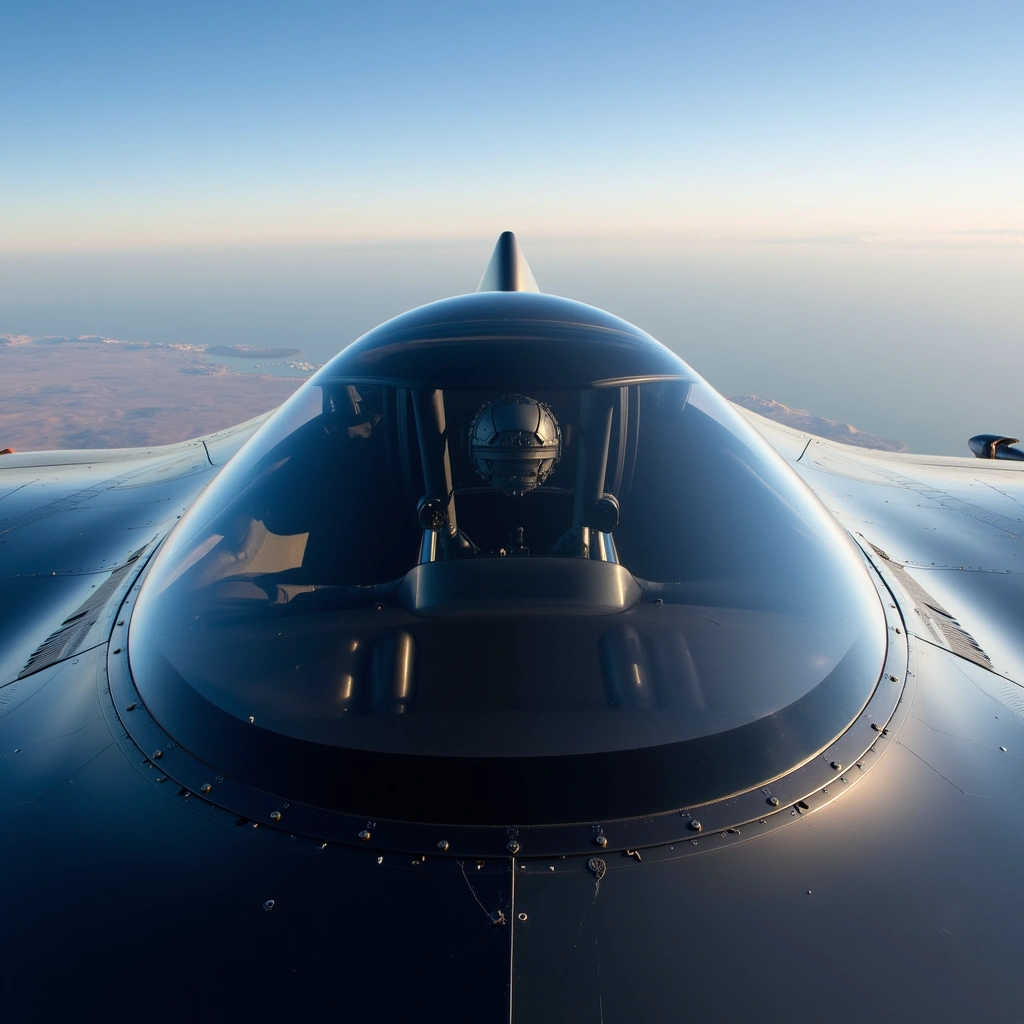
Let’s take a moment to appreciate the SR-71 Blackbird, shall we? This magnificent piece of engineering isn’t just a plane; it’s a flying piece of art that could give the Mona Lisa a run for her money—if only it had a good frame and a ticket to the Louvre. But today, we’re not here to discuss its sleek body or record-breaking speed. No, my friends, we’re diving into the unsung hero of this beauty: its windshield! Buckle up—this ride is going to be smoother than a baby’s bottom.
Now, you might be thinking, “A windshield? Really?” But hold your horses! This isn’t your average piece of glass that gets splattered with bugs on a Sunday drive. The SR-71’s windshield was a marvel of modern engineering, so let’s break down why it’s as unique as a unicorn at a dog park.
1. The Material:
Here’s where things get spicy. The windshield of the SR-71 was made from a special material called quartz glass, which sounds fancy and all, but let’s be real—it’s not just for your snazzy new watch. This material could withstand extreme temperatures, up to a scorching 600 degrees Fahrenheit (that’s about the same temperature as a pizza oven!). Why? Because when you’re soaring at three times the speed of sound, air friction isn’t just a mild annoyance—it’s a fiery inferno trying to turn your cockpit into a sauna.
2. The Shape:
The shape of the SR-71’s windshield was as aerodynamic as a dolphin in a speedo. Its distinctive design was not just for looks; it was crafted to minimize drag and maximize visibility. Pilots needed to see where they were going—especially when you’re zipping along at Mach 3.5, dodging missiles like you’re in a video game. Can you imagine trying to navigate that at night? Yikes!
3. The Heat:
Speaking of heat, let’s have a little chat about thermal expansion. As the Blackbird raced through the sky, its body would expand due to the heat generated at those high speeds. The windshield had to be able to accommodate this expansion without cracking or distorting the pilot’s view. Talk about a relationship built on trust! It was like a dynamic duo, except instead of fighting crime, they were fighting gravity and weather patterns.
4. The Anti-Glare Coating:
Ever tried driving into the sun? It’s like staring directly into the universe’s most annoying flashlight. The SR-71’s windshield was coated with an anti-glare substance to ensure pilots didn’t end up temporarily blinded while they were trying to avoid becoming a fireball in the sky. It was like wearing sunglasses at a beach party, except the party was in the stratosphere, and there were no piña coladas—just pure adrenaline!
5. The Cost:
Now let’s talk about the elephant in the room—the price tag. Each windshield was crafted with such precision that it cost tens of thousands of dollars. Yep, you heard that right! If you thought buying a new car was expensive, try replacing an SR-71 windshield! But hey, when you’re flying high, you’ve got to put your money where your mouth is—or in this case, your cockpit!
Final Thoughts:
So, the next time someone mentions the SR-71 Blackbird, don’t just nod and smile. Shine a spotlight on that windshield! It’s a testament to human ingenuity, a brave warrior in the face of extreme conditions, and a crucial part of what made this aircraft a legend. In the world of aviation, it may not be the star of the show, but it sure knows how to steal the spotlight when needed. Cheers to the unsung heroes, one windshield at a time!
Inspired by: “Why The SR-71 Blackbird's Windshield Made It Unique Among Airplanes” (r/technology)