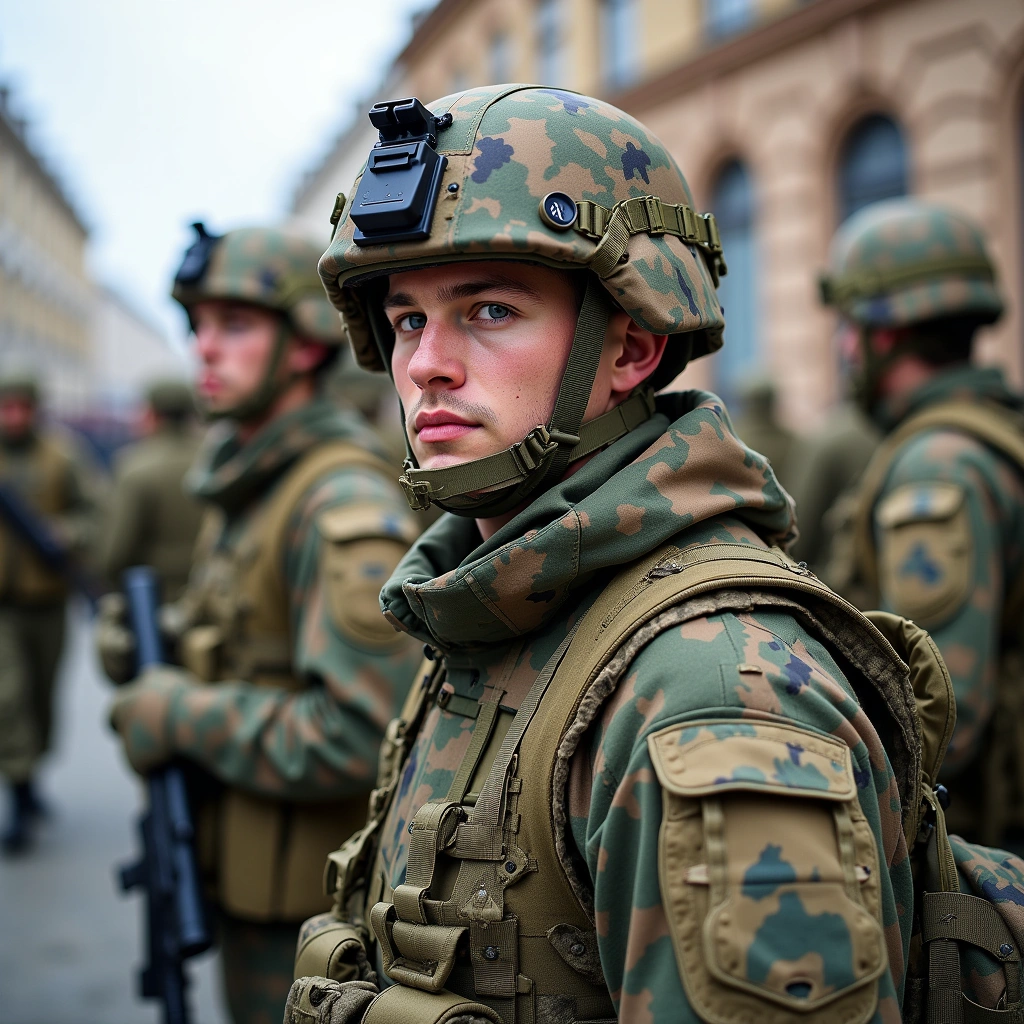
Ah, camouflage! The art of making soldiers blend in so well with their surroundings that you might think they’ve become part of the scenery—just like that one friend who always wears the same color as the couch at your grandma’s house. In this blog post, we’re diving deep into the fascinating world of military camouflage patterns across Europe. So, grab your binoculars and let’s blend in (pun intended)!
A Brief History of Camouflage
Before we dive into the specifics, let’s take a quick detour through history. Camouflage has been around for centuries, dating back to cavemen painting their faces with earth pigments to stalk woolly mammoths—or, you know, avoid being eaten by them. Fast forward to the 20th century, and camouflage became a strategic necessity in warfare. Europe, being the hotspot for conflicts and wars, saw a variety of unique and quirky patterns emerge.
The French: The Pioneers of Camouflage
Let’s start with the French, who, surprisingly, have been the trendsetters in camouflage since World War I. They introduced the first true camouflage uniforms, known as “Camouflage de l’Armée Française”. Their patterns were inspired by the landscapes of France, featuring lovely greens, browns, and blues that would make any painter envious. But let’s be honest, they were also probably just trying to hide from the Germans.
The Brits: Dazzle and Confuse
Next up, we have the British. They took a rather unconventional approach with their “Dazzle” camouflage. Instead of blending in, they opted for bold geometric patterns that were more confusing than a Rubik’s Cube on steroids. The idea was to make it difficult for enemy ships to judge their speed and direction. So, if you ever wondered why your British uncle has a questionable taste in patterns, now you know—it’s all about strategy!
The Germans: Blending In with the Best
Ah, the Germans! Known for their precision and efficiency, it’s no surprise they developed some of the most effective camouflage patterns. The iconic “Flecktarn” pattern, introduced in the late 20th century, features a mix of greens, browns, and black. It’s like they threw a bunch of paint at a wall and decided, “Yep, that’ll do!” It’s highly effective in forested areas and is still used today.
The Italians: Style Meets Functionality
And then there are the Italians. Known for their fashion sense, they also decided that combat gear shouldn’t compromise on style. The “Telo Mimetico” pattern used by the Italian military is a delightful blend of colors that looks like something straight out of a Milan fashion week runway. Who said you can’t look good while dodging bullets?
The Eastern European Twist
As we move over to Eastern Europe, countries like Poland and Hungary have developed their own unique patterns. The Polish “Wz. 93” pattern is a forest camouflage that’s so good, you might think it’s just a regular park outfit. Meanwhile, Hungary’s “Zsávoly” pattern, with its array of earthy tones, could easily double as a chic fall wardrobe staple.
Controversial Opinions: Does Camouflage Work?
Now, let’s get a little controversial here. Some people argue that camouflage is overrated. “Why not just paint your soldiers bright orange and call it a day?” they say. But let’s be real; as effective as it might be to make a statement, the last thing you want in a battlefield is to be the neon sign that says, “Shoot me!”
Conclusion: The Fashion of War
In conclusion, military camouflage patterns across Europe are not just about blending in; they’re a reflection of each country’s history, culture, and, let’s face it, a little bit of ego. So next time you see a soldier in the field, remember that behind those patterns lies a rich tapestry of creativity, strategy, and maybe just a tad bit of madness.
So, what do you think? Which camouflage pattern is your favorite? Would you wear it to a party? Let’s chat in the comments below!
Inspired by: “Military camouflage patterns across the Europe” (r/interestingasfuck)