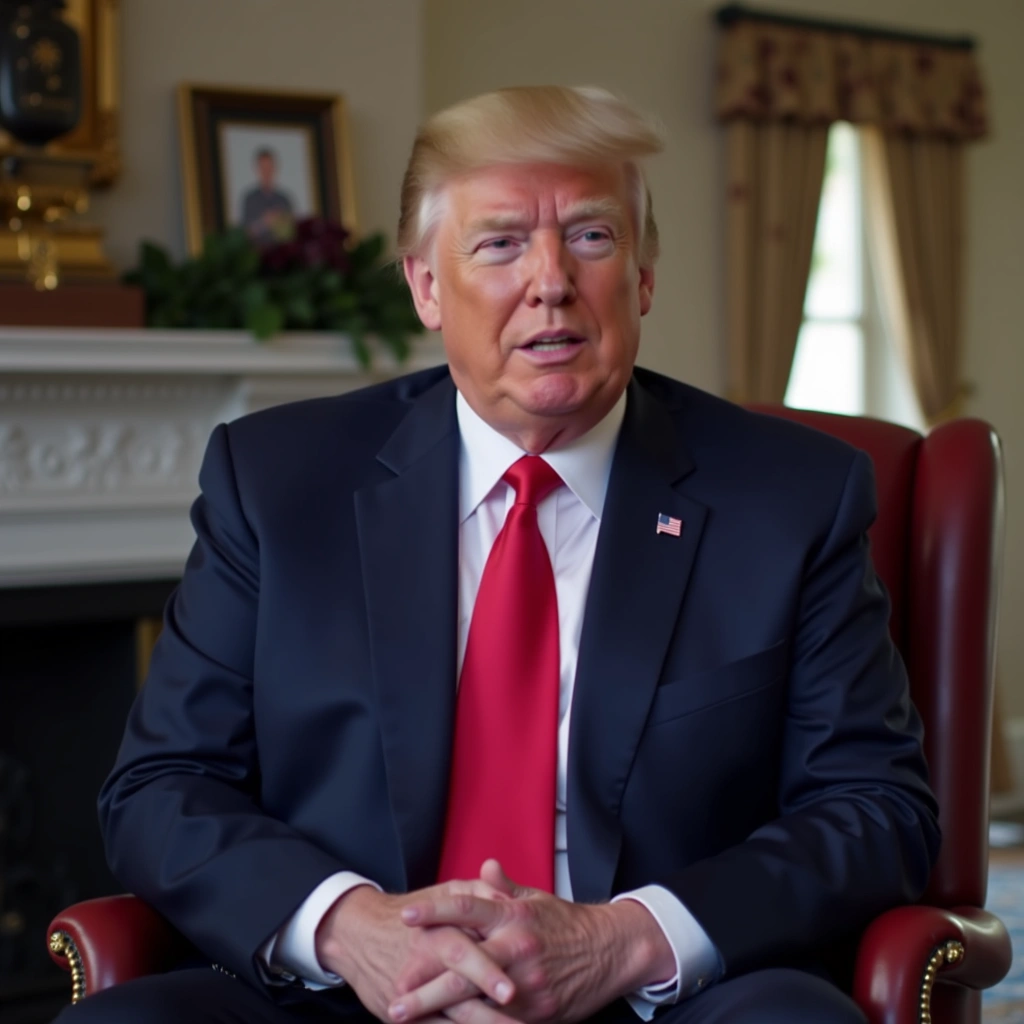
In an intriguing blend of politics and technology, former President Donald Trump has lent his voice to a new advertisement for Fannie Mae, but there’s a twist: the voice you hear is generated by artificial intelligence. This groundbreaking move has sparked conversations about the implications of AI in media and advertising, as well as the ethics surrounding the use of a public figure’s voice in such a manner.
Fannie Mae, officially known as the Federal National Mortgage Association, has been a key player in the U.S. housing market since its establishment in 1938. The agency’s mission is to provide liquidity, stability, and affordability in the housing market, making it accessible for more Americans. With the ever-evolving landscape of technology, Fannie Mae has embraced AI to reach its audience in innovative ways.
In this recent ad, Trump’s voice is not just a gimmick; it’s part of a broader strategy to connect with potential homebuyers and investors. The use of AI to replicate Trump’s voice showcases the advances in deep learning and voice synthesis technology. This method allows the creation of remarkably realistic audio that can mimic specific vocal traits, cadence, and even emotional tone.
What’s particularly intriguing is that Trump reportedly gave his permission for this AI-generated version of his voice to be used. This raises questions about consent and the potential for misuse of AI-generated content. As technology continues to progress, the authenticity of audio and video will come into question, challenging our notions of reality.
The ad itself aims to address the importance of homeownership and financial literacy, resonating with audiences who might be seeking guidance in today’s complex housing market. By using a recognizable voice like Trump’s, Fannie Mae hopes to capture attention and drive home its message about the importance of affordable housing options.
However, this initiative is not without its critics. Some argue that employing an AI-generated voice of a controversial figure like Trump could polarize audiences or mislead consumers about the intentions behind the ad. It opens up a broader dialogue about the ethical implications of using AI in advertising—especially when it involves public figures whose opinions and endorsements carry significant weight.
As the lines between reality and artificiality blur, it becomes increasingly important for consumers to discern the authenticity of the content they engage with. This scenario serves as a reminder of the potential for AI technologies to transform industries, but it also highlights the necessity for ethical guidelines and transparency in their use.
In conclusion, the incorporation of Donald Trump’s AI-generated voice in a Fannie Mae advertisement marks a significant moment in the intersection of politics, technology, and marketing. It not only showcases the capabilities of AI but also fuels discussions about the future of media and the ethical considerations that come along with it. As we navigate this ever-evolving digital landscape, one thing is clear: the conversation about AI’s role in our lives is just beginning.