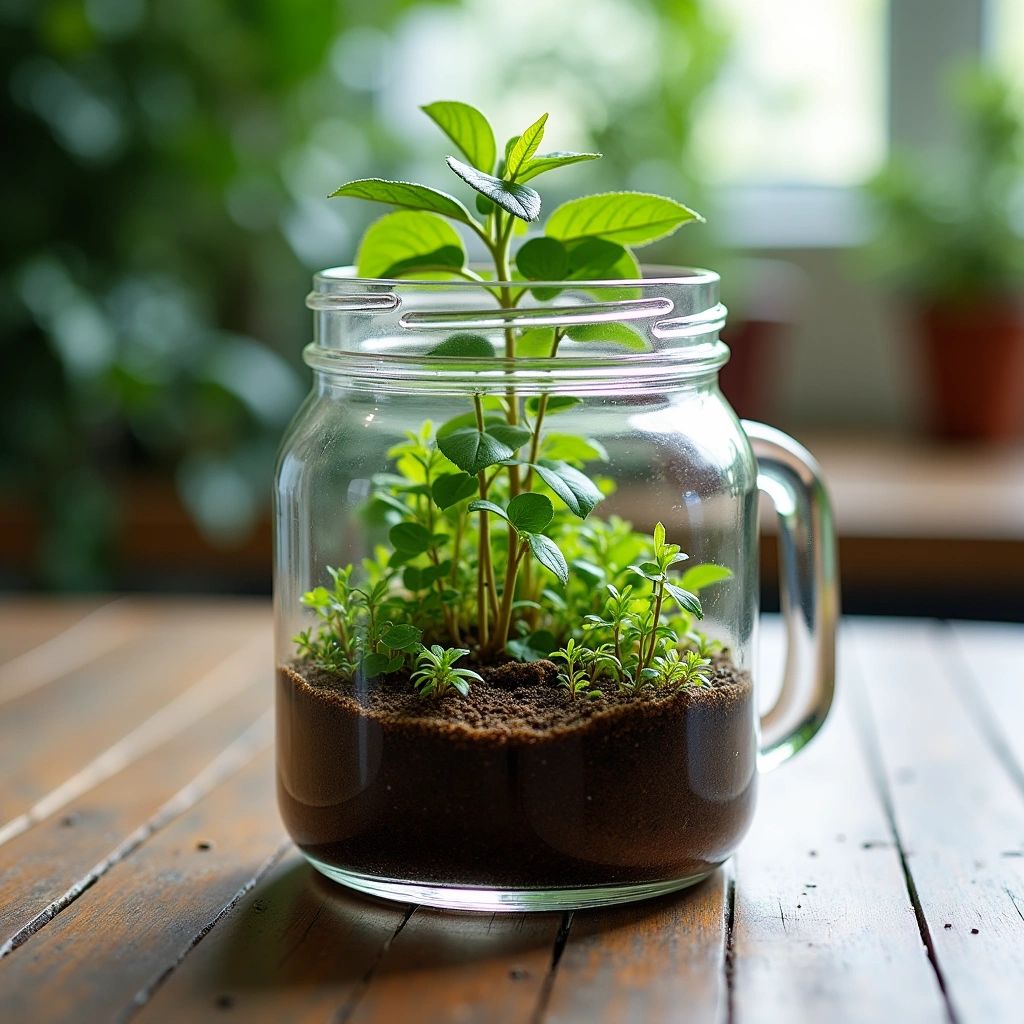

Have you ever looked at a beautifully balanced ecosystem and thought, “I wish I could create one of those right at home?” Well, you’re in luck! Today, we’re diving deep into the fascinating world of jar ecosystems. Not only are these mini-environments a delightful addition to your living space, but they also offer an educational glimpse into nature’s intricate balance. So grab your supplies, and let’s get started on crafting your very own ecosystem in a jar!
### What is an Ecosystem in a Jar?
An ecosystem in a jar is a self-sustaining environment that mimics natural ecosystems. It consists of soil, plants, water, and tiny creatures, which all interact in a confined space. The beauty of these jar ecosystems lies in their ability to thrive with little maintenance, making them perfect for busy individuals or those with limited gardening space.
### Why Create an Ecosystem in a Jar?
Creating a jar ecosystem is not just a fun project; it also has several benefits:
1. **Educational Experience**: It’s a fantastic way to learn about ecology, biology, and environmental science.
2. **Stress Relief**: Tending to your plants can be a calming activity that helps reduce stress.
3. **Home Decor**: A beautifully arranged ecosystem can serve as a unique centerpiece in your home.
4. **Sustainable Gardening**: It promotes an understanding of sustainability and self-sufficiency.
### Supplies You’ll Need
Before you embark on this exciting journey, gather the following materials:
– A clear glass jar with a lid (an old pickle jar or a mason jar works perfectly)
– Small pebbles or gravel
– Activated charcoal (found at pet stores)
– Potting soil
– Plants (choose small varieties like moss, ferns, or succulents)
– Small decorative elements (optional)
– Water
– A small shovel or spoon
### Step-by-Step Instructions
#### 1. Prepare Your Jar
Start by cleaning your glass jar thoroughly to remove any residues. This ensures that your ecosystem begins with a clean slate and prevents unwanted bacteria from taking over.
#### 2. Create a Drainage Layer
Add a layer of small pebbles or gravel at the bottom of the jar. This helps with drainage and prevents the roots of your plants from sitting in water, which can cause rot.
#### 3. Add Activated Charcoal
Next, sprinkle a thin layer of activated charcoal over the pebbles. This layer keeps the ecosystem fresh by filtering out toxins and odors.

#### 4. Add Potting Soil
Now it’s time for the soil! Add potting soil on top of the charcoal. Depending on the size of your jar, you can add about 2-3 inches of soil. Make sure it’s evenly spread to create a stable environment for your plants.
#### 5. Plant Selection
Choose your plants wisely. Opt for small, hardy plants that can thrive in a confined space. Mosses, ferns, and small succulents work wonderfully. Make small holes in the soil and gently place your plants in. Don’t forget to leave some space between them for air circulation.
#### 6. Add Water
Lightly water your plants, ensuring not to over-saturate the soil. Remember, you want to maintain a balance that allows for evaporation and condensation.
#### 7. Decorate (Optional)
If you feel creative, you can add small decorative elements such as stones, miniature figurines, or even a small piece of driftwood to give your ecosystem a personal touch.
#### 8. Seal the Jar
Finally, place the lid on your jar. This seals your ecosystem and allows it to create its own weather system through condensation.
### Maintenance Tips
– **Light**: Place your jar in a location that receives indirect sunlight. Too much direct sunlight can overheat the ecosystem.
– **Watering**: Check your ecosystem every couple of weeks. If the soil looks dry, add a small amount of water. If you see condensation on the walls, it’s likely fine!
– **Pruning**: As your plants grow, you might need to trim them back to prevent overcrowding.
### Conclusion
Creating an ecosystem in a jar is not just a fun, creative project but also a rewarding way to connect with nature. Watching your miniature world grow and flourish can be immensely satisfying. Whether you’re doing it for educational purposes, stress relief, or simply for the joy of it, this little slice of nature will undoubtedly bring a smile to your face.
So what are you waiting for? Grab your supplies and start your journey into the world of miniature ecosystems today!